

 See My Latest Article on HelloNation
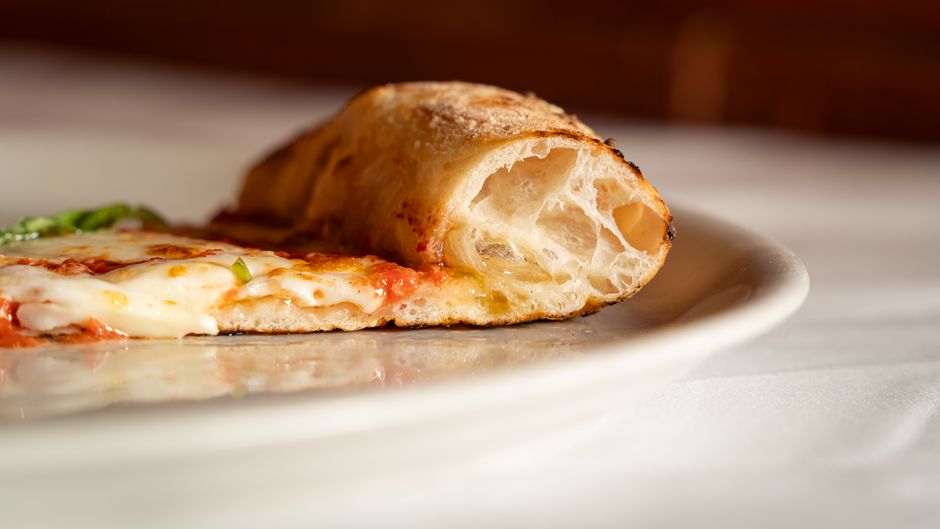
Pizza styles can look similar at a glance, yet New York-style and New Haven-style pizza differ in dough, shape, baking method, texture, and serving tradition. For residents of Pigeon Forge, understanding those differences can make it easier to choose a pizza that matches a preferred crust, meal size, and dining experience.
Both styles developed in the northeastern United States, but they reflect different local food cultures. New York-style pizza is known for large, foldable slices, while New Haven-style pizza is recognized for a thin, crisp, irregular crust often baked in a coal-fired oven.
What defines New York-style pizza?
New York-style pizza is typically made as a large round pie cut into wide slices. The crust is thin in the center but has a thicker, chewy edge that provides structure and texture.
A traditional slice is designed to be eaten by hand. The center should remain flexible enough to fold, while the outer rim offers a firm, bread-like bite. The dough usually includes wheat flour, water, yeast, salt, and sometimes a small amount of oil or sugar, depending on the recipe.
Common features include:
- A large, round shape
- A thin center with a raised edge
- A chewy rather than brittle crust
- A balanced layer of tomato sauce and cheese
- Slices large enough to fold or carry easily
New York-style pizza is often served by the slice, making it practical for a quick meal. A whole pie is also common when several people want to share different toppings or control portion sizes.
What makes New Haven-style pizza different?
New Haven-style pizza is usually thinner, crisper, and more irregular in appearance than New York-style pizza. The crust may be referred to as “apizza,” a regional pronunciation that reflects the style’s Italian-American history.
The dough is often stretched into an oblong or imperfectly round shape rather than a carefully uniform circle. Its surface may show bubbles, charred spots, and variations in thickness. These features are generally considered part of the style rather than flaws.
A traditional New Haven-style pie often has:
- A very thin, crisp base
- A chewy edge with noticeable char
- An irregular shape
- A restrained amount of sauce and cheese
- Strongly flavored toppings used in moderation
The crust is sturdy enough to hold toppings but may not fold as easily as a New York slice. Some pies are eaten with a knife and fork, especially when the crust is crisp or the toppings are substantial.
How does a coal-fired oven affect the pizza?
A coal-fired oven changes the flavor and texture of pizza by producing intense, dry heat. That heat can quickly brown the crust, blister the dough, and create dark spots along the rim.
Coal-fired baking often produces several distinct characteristics:
- A crisp exterior
- A lightly smoky or roasted flavor
- Blistered bubbles in the crust
- Rapid browning around the edges
- A contrast between a firm surface and a more tender interior
The oven alone does not determine the style. Dough thickness, fermentation, topping quantity, baking time, and shaping technique matter just as much. A coal-fired oven can produce a New Haven-inspired pie, but a pizza is not automatically New Haven-style simply because it is coal-fired.
For diners in Pigeon Forge, coal-fired cooking can be especially appealing during cooler months, when a crisp, hot crust pairs naturally with a relaxed indoor meal. During busier seasonal periods, the fast baking process can also help maintain a steady flow of freshly prepared pies, although dining times may vary with demand.
Are New York-style and New Haven-style pizzas made with the same dough?
They may share basic ingredients, but the dough is handled differently. New York-style dough is generally formulated to create flexibility and chew, while New Haven-style dough is often stretched thinner to emphasize crispness and char.
Fermentation also affects the final result. A longer fermentation can contribute more flavor and improve the dough’s texture. Hydration, flour selection, and resting time influence whether the crust is airy, dense, crisp, or chewy.
The shape of the dough matters as well. New York-style dough is usually stretched into a broad circle. New Haven-style dough may be pulled into a thinner, less uniform form that allows the crust to bake with varied textures across the surface.
Why does New Haven-style pizza often use less cheese?
A thinner crust can become overloaded quickly. Heavy layers of cheese, sauce, and toppings may soften the base and hide the flavor of the baked dough.
New Haven-style pizza often uses a lighter hand with ingredients so the crust remains central to the experience. Some traditional variations may use grated hard cheese rather than a thick blanket of melted mozzarella. Other versions highlight seafood, vegetables, or a small number of strongly flavored ingredients.
New York-style pizza can also be made with modest toppings, but the familiar slice often includes a more generous layer of melted cheese. Neither approach is automatically better. The difference comes down to whether the meal emphasizes a flexible, cheese-forward slice or a crisp, charred crust with carefully measured toppings.
Which style is easier to eat?
New York-style pizza is generally easier to eat by hand because the broad slice is designed to fold. It can be a practical choice for diners who prefer a familiar handheld meal or want to eat casually without utensils.
New Haven-style pizza may require more attention, particularly when the crust is very crisp or the pie has uneven toppings. A knife and fork can make it easier to manage the center and prevent toppings from sliding.
For households sharing a meal, ordering both styles can reveal the difference more clearly than comparing descriptions. Pay attention to how the crust bends, how quickly it cools, and whether the flavor comes primarily from the toppings or from the baked dough.
What are common misconceptions about these pizza styles?
One misconception is that thin crust means the same thing in every regional style. New York-style pizza is thin in the middle but often has a substantial, chewy rim. New Haven-style pizza is typically thinner overall and more focused on crispness and char.
Another misconception is that dark spots always mean the pizza is burnt. Properly managed high-heat baking can create intentional char, which adds roasted flavor. Excessive bitterness, a fully hardened crust, or a strong ash taste may indicate overbaking, but a few dark blisters are normal for coal-fired pizza.
It is also inaccurate to assume that every pizza from the northeastern United States follows one fixed formula. Recipes vary by baker, oven, flour, fermentation method, and topping preferences. Regional styles are useful guidelines, not rigid rules.
How should diners compare the two styles?
The clearest comparison starts with the crust. Consider these questions:
- Does the slice fold easily?
- Is the center soft, crisp, or both?
- Is the edge chewy, airy, or brittle?
- Does the crust taste mildly toasted or strongly charred?
- Are the toppings the main focus, or does the dough stand out?
Serving size matters too. A large New York-style slice may feel substantial even when the topping layer is simple. A thin New Haven-style pie may offer more crisp surface area and a stronger baked flavor without feeling as heavy.
Local dining habits can also shape the choice. Families may prefer a shareable round pie with familiar toppings, while smaller groups may enjoy comparing contrasting crust styles. In a community with a mix of full-time households and seasonal visitors, clear menu descriptions are particularly useful because “thin crust” can mean very different things from one kitchen to another.
Understanding the difference between these traditions helps diners order with realistic expectations. New York-style pizza emphasizes foldable slices, chew, and a generous format. New Haven-style pizza emphasizes thinness, crispness, char, and the character of the dough. Coal-fired baking can enhance either experience, but the final style depends on the entire process rather than the oven alone.