

 See My Latest Article on HelloNation
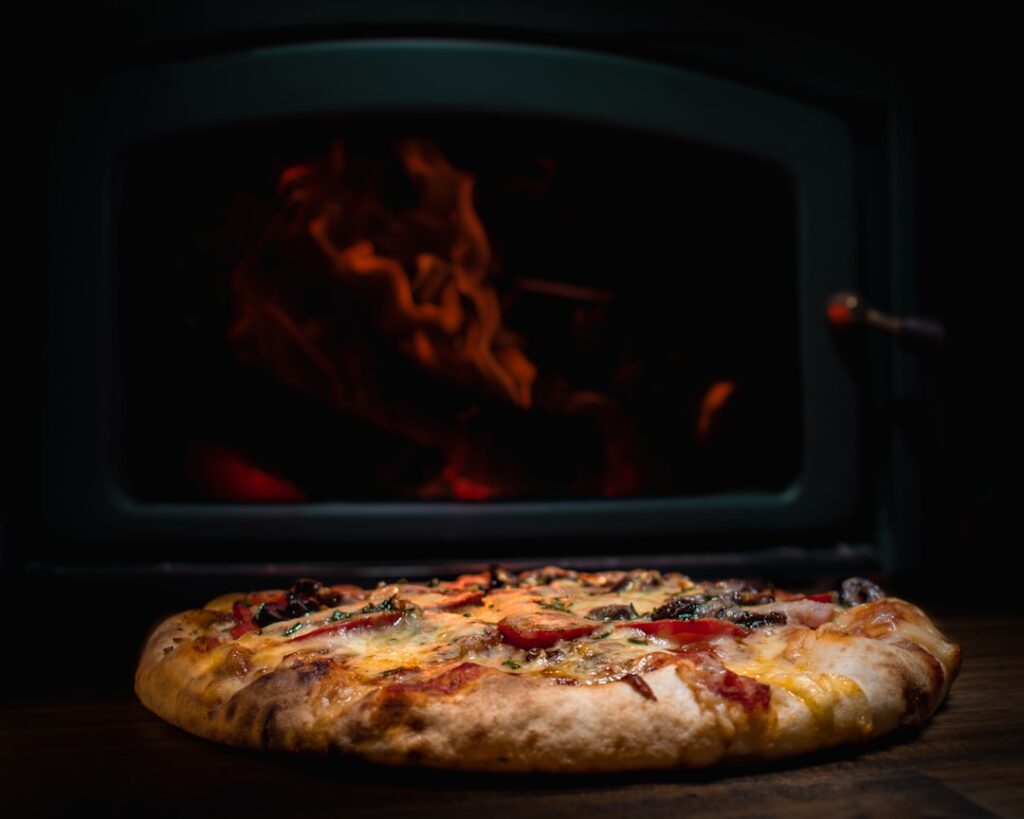
How Did Pizza First Arrive in America?
Pizza’s American roots trace back to the late 1800s, when Italian immigrants settled in port cities and brought their culinary traditions. Early versions of pizza in America were simple—flatbread topped with tomato sauce and cheese—often served in home kitchens and community gatherings before becoming available in commercial bakeries in urban neighborhoods.
As pizza became more popular, humble tomato pies evolved into the crisp, cheesy slices familiar today. The earliest pizzerias relied on baking methods brought over from Italy, but adaptations soon emerged to fit the resources and tastes of diverse American communities.
Why Did CoalFired Ovens Become Popular for Pizza?
CoalFired ovens rose to prominence in the early 20th century, especially in regions where coal was widely available. These ovens offered unique advantages that helped shape American pizza:
- Coal burns hotter than wood or gas, reaching sustained temperatures of 800–900°F.
- Intense, even heat cooks pizzas quickly, producing a signature thin, crisp crust.
- The ovens accommodate high-volume baking, which suited growing demand.
Some misconceptions exist about coal’s impact on flavor and texture. The distinctive char and slight smokiness are not as pronounced as many imagine, but the resulting crust is crispier compared to other methods. Communities benefited by being able to offer high-quality, consistent pies to larger crowds, a practice that fits well with gatherings common in the Smoky Mountain region, where shared meals are a valued tradition.
What Sets CoalFired Pizza Apart from Other Styles?
Coal-fired pizza is mainly known for its thin, chewy crust with a slight blister and char at the edges. Cooking at high heat for just a few minutes locks in moisture while crisping the base. The toppings—classic tomato sauce, fresh mozzarella, and light finishing ingredients—are carefully balanced so they don’t overwhelm the dough.
A few signs of authentic coal-fired pizza:
- Compact size, typically around 12–14 inches
- Moderately charred crust, not burnt
- Balanced flavor, without tasting smoky or bitter
While many newer ovens use wood or gas for practical reasons, coal-fired baking remains a point of pride among classic pizzerias, with some ovens operating for decades thanks to durable brick designs.
Is CoalFired Pizza Cooked Differently in the Smoky Mountain Region?
In areas like Pigeon Forge with a strong tradition of outdoor cooking, people are often curious if local adaptations exist. Generally, coal-fired pizza preparation remains close to its historical roots, though some regional touches may influence toppings or dough hydration, especially considering local humidity and altitude.
Homes in this community, where grilling and smoker use are common, may occasionally attempt high-heat baking with home charcoal setups. However, true coal-fired pizza requires specialized, well-ventilated ovens designed to withstand intense and sustained temperatures. Safety regulations and local air quality standards can also affect home or commercial coal oven installation.
Are There Safety or Environmental Concerns with CoalFired Ovens?

Coal-fired ovens require thoughtful management, especially regarding ventilation and emissions:
- Coal combustion produces more particulate and sulfur emissions than wood or gas, making modern filtration and good chimney designs essential in most cities.
- The intense heat demands proper brick or refractory construction to avoid hazards.
- Area households considering home coal ovens should research local restrictions, as open coal burning is regulated to protect health and the environment.
Pizza lovers can look for restaurants or community venues that use best practices in ventilation and coal sourcing if they’re interested in trying coal-fired crusts.
What’s the Legacy of CoalFired Pizza in Today’s Dining Culture?
Coal-fired pizza has become a symbol of high-heat, artisanal preparation that values both history and unique flavor. While the number of operational coal ovens has declined compared to their peak, the method’s influence is still felt in many aspects of American pizza-making:
- Popular thin-crust styles owe much to the fast, fierce bake of coal ovens.
- Techniques inspired by these ovens are used in both professional kitchens and home grills across the country.
- Many local families incorporate simple, high-heat pizza baking into outdoor gatherings, even using modern alternatives like ceramic grills or pizza stones to approximate the coal-fired texture.
Coal-fired pizza remains a conversation starter about food history in the region, where community and food traditions go hand in hand.