

 See My Latest Article on HelloNation
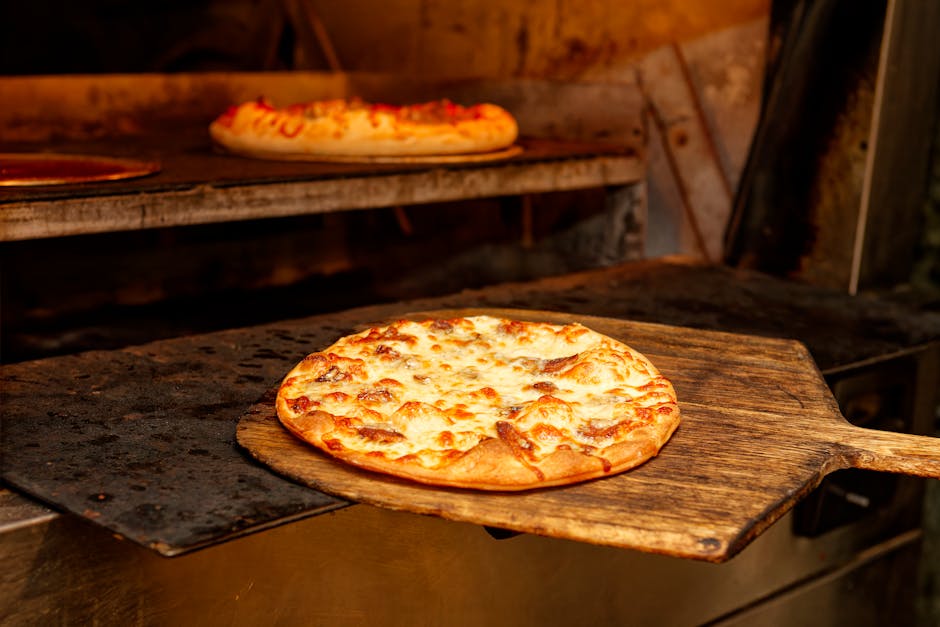
What Does “Making Pizza Dough from Scratch” Actually Mean?
Making pizza dough from scratch means mixing just a handful of basic ingredients—flour, water, yeast, salt, and sometimes a bit of sugar or oil—to create the foundation for homemade pizza. It does not involve using premade mixes or store-bought dough. Local residents who master this process get more control over ingredients and achieve a fresh, customizable base for their pizzas, whether using a home oven or outdoor grill.
What Ingredients Do Area Households Typically Need—and Why?
For most homes in Pigeon Forge, the standard ingredients are easy to find and do not require special shopping trips. Each plays a crucial role:
- Flour: Bread flour produces a chewy texture, while all-purpose flour gives a softer bite. Both work well in local kitchens, as area humidity is generally manageable for either type.
- Yeast: Active dry yeast or instant yeast are the most common and store well in local pantries.
- Water: Tap water is fine for most households; in Pigeon Forge, water is relatively soft, so dough tends to rise reliably.
- Salt: Enhances flavor and helps with gluten structure.
- Sugar or honey (optional): Feeds the yeast and aids browning, which can be helpful if using home ovens that don’t reach the temperatures of coal-fired setups.
- Olive oil (optional): Adds tenderness.
Climate differences in the city can slightly affect flour and water absorption, but most recipes work year-round.
How Does Weather or Season Affect Pizza Dough in Pigeon Forge?
Temperature and humidity affect dough rise. In cooler months, dough will take longer to ferment; in hot, humid summers, it may rise more quickly.
- Colder months: Let dough rise in a warmer spot, such as near a sunny window or on top of the refrigerator.
- Humid summer days: Monitor closely—fast rises can lead to over-proofed dough that’s sticky or slack.
Cover dough loosely with plastic or a damp towel to prevent drying out in air-conditioned homes.
What’s the Easiest Way for Beginners in the Community to Get Started?
Local residents new to breadmaking can follow this straightforward method tailored to home ovens:
1. Combine ingredients: Mix 3½ cups bread flour, 1 packet (2¼ tsp) yeast, 1½ tsp salt, 1 tbsp sugar, 1¼ cups lukewarm water, and 2 tbsp olive oil (optional) in a large bowl.
2. Mix and knead: Stir until combined, then knead on a lightly floured surface for about 8-10 minutes. The dough should be smooth and elastic.
3. First rise: Place in a lightly oiled bowl, cover, and let rest until doubled in size (about 1-2 hours depending on indoor temperature).
4. Shape: Gently punch down dough, divide if making smaller pizzas, and shape onto a well-floured baking sheet or pizza peel.
5. Second rise (optional): Allow to rest for 15-30 minutes for a puffier crust, or proceed directly to topping and baking.
This method works well for households with limited space or first-timers nervous about recipe complexity.
Can Pizza Dough Be Made Ahead and Stored?
Yes, and it’s common for local families to store dough ahead, especially before gatherings. Dough keeps for 1-2 days in the fridge: coat lightly with oil, cover, and refrigerate. Let it come to room temperature before shaping. For longer storage, dough can be frozen in individual portions for up to a month; thaw overnight in the refrigerator before use.
Why Does Pizza Dough Sometimes Not Turn Out as Expected?
Several factors can cause issues for beginners:
- Dough doesn’t rise: Yeast expired, or water too hot/cold.
- Sticky texture: Too much water or not enough kneading, especially on damp days.
- Tough crust: Too much flour during kneading or over-mixing.
- Flat, dense result: Under-kneading or insufficient rise time.
Local tap water’s softness is generally favorable, but ensure all ingredients are fresh. Letting dough rest adequately makes working with it easier and results in a better bake—even on rainy, cool days common in the area.
How Can Area Residents Adapt Dough for Different Ovens or Grills?
Most homes do not have coal-fired pizza ovens, but conventional kitchen ovens, outdoor grills, or pizza stones all provide good results. Adjust baking as follows:
- Conventional oven: Preheat as hot as possible (475-500°F). Use a preheated pizza stone or baking sheet for best crust development.
- Outdoor grill: Stretch dough thin, brush with oil, and grill briefly on one side before adding toppings and finishing.
- Home coal-fired ovens: These can be rare, but if available, short bake times (2-3 minutes) at very high heat produce a chewy, charred crust. Always monitor closely.
In colder seasons, preheating oven surfaces longer helps mimic some qualities of coal-fired cooking.
What Are Some Local Tips for Improving Pizza Dough at Home?
Practical advice from the community includes:
- Use a kitchen scale if possible—measuring by weight gives more consistent results, especially since humidity levels can vary throughout the year.
- Allow dough to ferment longer in the fridge for more flavor; many area home cooks start their dough a day ahead for better texture.
- Experiment with both bread and all-purpose flour, as each gives slightly different chew and flavor—choose according to personal or family preference.
- For crispier results, sprinkle semolina or cornmeal under the dough before baking.
Making pizza dough in Pigeon Forge can be straightforward, rewarding, and adjustable to household schedules, kitchen setups, and tastes.