

 See My Latest Article on HelloNation
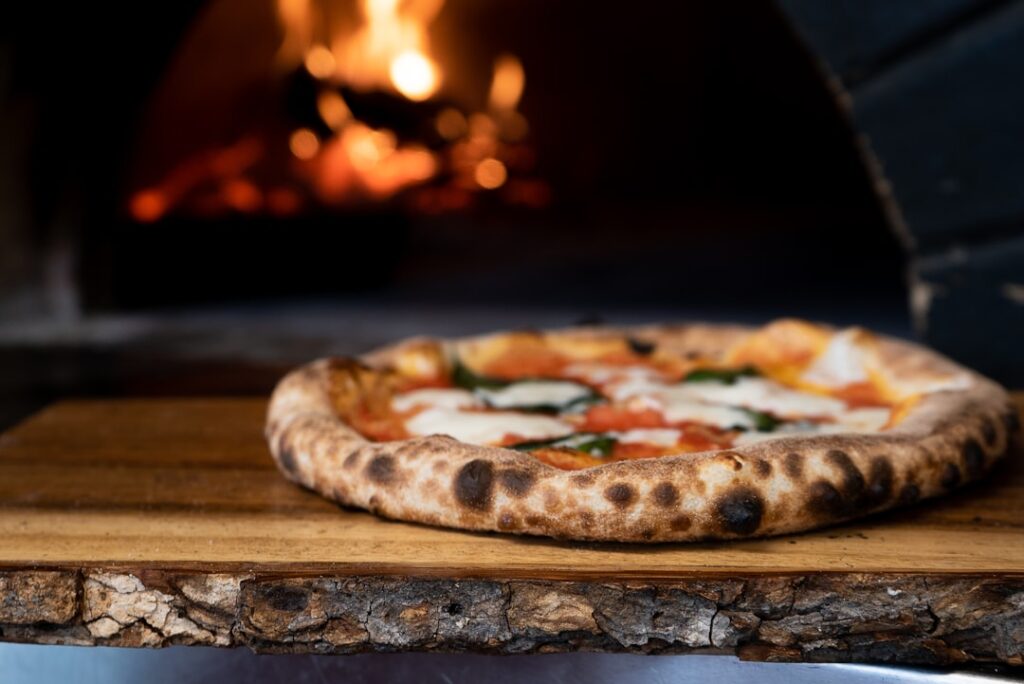
What Makes CoalFired Pizza Toppings Unique?
CoalFired pizza is known for its distinctive flavor and texture, driven by high heat and fast cooking times. Unlike conventional ovens, the coal-fired method yields a crisp, charred crust and a slightly smoky undertone. Toppings should be selected with this unique cooking process in mind. Thicker or heavily processed toppings may not have time to cook fully, while delicate ingredients risk overcooking. For households in Pigeon Forge, where family meals and casual gatherings are common, selecting toppings that shine in a coal-fired oven can make every homemade pizza night memorable.
Which Classic Toppings Work Best in a CoalFired Oven?
Traditional ingredients have stood the test of time for a reason: they pair well with the intense heat. Classics like mozzarella cheese, thin-sliced pepperoni, and torn basil perform reliably in coal-fired setups. These toppings cook evenly and develop flavor without risk of burning or drying out.
Some enduring options include:
- Fresh mozzarella: Melts to create creamy bubbles without becoming greasy.
- Pepperoni or thin-cut sausage: Crisp edges and caramelization add flavor.
- Crushed tomatoes or San Marzano-style sauce: Withstands high temperatures without turning watery.
- Basil: Added at the end to keep freshness without burning.
- Mushrooms and onions: Sliced thinly, so they cook through quickly.
These choices appeal to area households looking for a blend of tradition and reliability during pizza gatherings.
Are There Regional or Seasonal Toppings That Work Well?
Seasonal produce fits naturally into coal-fired pizza, especially given the region’s access to locally grown vegetables in summer and fall. Thinly sliced zucchini, roasted red peppers, heirloom cherry tomatoes, or caramelized onions can all be added atop the dough before baking.
In the cooler months:
- Baby spinach or kale holds up well and adds a hearty note.
- Thinly sliced sweet potatoes become tender with a hint of smokiness.
- Wild mushrooms, available at local markets, contribute earthy flavors.
Residents interested in using locally grown or home-gardened vegetables can take advantage of what’s available at area farmers markets, ensuring peak freshness and flavor while customizing their pizza to regional tastes.
Can Delicate or Unusual Toppings Be Used Successfully?
Certain ingredients, such as arugula, fresh herbs, soft cheeses, or prosciutto, risk overcooking in a coal-fired oven. The key is timing. Add these toppings after baking to preserve their flavor and texture.
Suggestions include:
- Fresh greens or herbs scattered post-bake, providing bright color and aroma.
- Goat cheese or ricotta dropped on hot pizza for creaminess without melting away.
- Prosciutto or cured meats layered on after cooking to keep their tender texture.
- Burrata added before serving, letting residual heat soften the cheese.
This method allows more adventurous cooks in the community to try creative combinations without sacrificing the quality that coal-fired cooking provides.
How Do Topping Combinations Affect Cooking?
The thin, fast-cooked crust typical of coal-fired pizza can become soggy if overloaded or weighed down, a common issue for area households making homemade pizza for crowds. Prioritize balance and restraint in toppings for best results.
Tips for balanced combinations:
- Limit moisture-heavy items (like raw tomatoes or watery vegetables).
- Avoid piling on too many ingredients; choose three to four items per pizza.
- Pre-cook toppings like sausage or dense vegetables to reduce residual moisture.
- Use cheese sparingly to prevent oiliness.

For gatherings, letting each household member choose a few preferred toppings rather than everything at once helps maintain this balance.
What Should Be Avoided When Selecting Toppings?
Some common misconceptions relate to thick-cut meats or chunky vegetables: these rarely cook through in the short time available. Skip raw chicken, thick bell peppers, or large onions. Also, too many salty or greasy items can make the finished pizza heavy, masking the flavor of the crust.
Consider these do’s and don’ts:
- DO slice meats and veggies thinly.
- DO pre-cook denser toppings, like sausage or thick mushrooms.
- DON’T use ingredients high in water content unless they’re drained or roasted first.
- DON’T overload the surface, as this can lead to steaming instead of charring.
Local pizza fans often find that restraint leads to superior results and lets the unique flavor of coal-fired crust take the spotlight.
How Can Local Households Experiment With Flavor and Texture?
Experimentation is part of the fun for families or friend groups making pizza at home. Try blending mild and sharp cheeses, or finishing with a splash of local honey or a sprinkle of chili flakes. Roasted garlic, artichoke hearts, or even pickled peppers introduce new tastes without compromising the coal-fired texture.
For those who like variety:
- Make several smaller pizzas with different topping sets rather than one large, overloaded pie.
- Encourage household members to customize their portions with finishing toppings after the bake.
These simple tips help home cooks in Pigeon Forge enjoy the coal-fired tradition while developing personal favorites that reflect local preferences and seasonal availability.