

 See My Latest Article on HelloNation
Regional pizza styles reflect differences in local ingredients, cooking equipment, migration patterns, and dining traditions. For residents of Pigeon Forge, TN, understanding these styles can make it easier to choose the kind of crust, sauce, cheese, and serving format that best fits a meal.
Pizza is not a single standardized dish. A thin, crisp pie cooked directly on a hot surface can be very different from a thick, airy version baked in a deep pan. Some styles emphasize char and simplicity, while others are built around generous toppings and a filling, structured crust.
What makes one regional pizza style different from another?
The main differences come from five features: crust thickness, baking method, sauce placement, cheese distribution, and serving size. Regional traditions also reflect the tools and ingredients commonly available when each style developed.
A useful comparison includes:
- Crust: Thin, thick, chewy, crisp, airy, or bread-like
- Sauce: Lightly applied, heavily seasoned, sweet-leaning, or added after baking
- Cheese: Fine shreds, large pieces, layered blends, or small amounts
- Cooking method: Stone, deck oven, coal-fired oven, wood-fired oven, or deep pan
- Serving format: Individual round pies, square pieces, large slices, or small snack-sized portions
These details affect more than appearance. They determine how quickly a pizza cooks, how well it holds toppings, and whether the meal feels light or substantial.
How does Northeastern thin-crust pizza differ from other styles?
Northeastern thin-crust pizza is usually round, moderately thin, and flexible enough to fold or lift without breaking. It commonly uses a balanced layer of tomato sauce, melted cheese, and familiar toppings.
The crust often has a chewy center with a firmer edge. The bake may create small browned spots without making the entire base brittle. This style is frequently served in large slices, making it practical for a quick meal or a shared order.
A common misconception is that all thin-crust pizza should be crisp throughout. Many Northeastern versions are crisp near the bottom but remain soft and elastic inside. The texture depends on dough hydration, oven temperature, baking time, and how much sauce and cheese are used.
What defines coal-fired pizza?
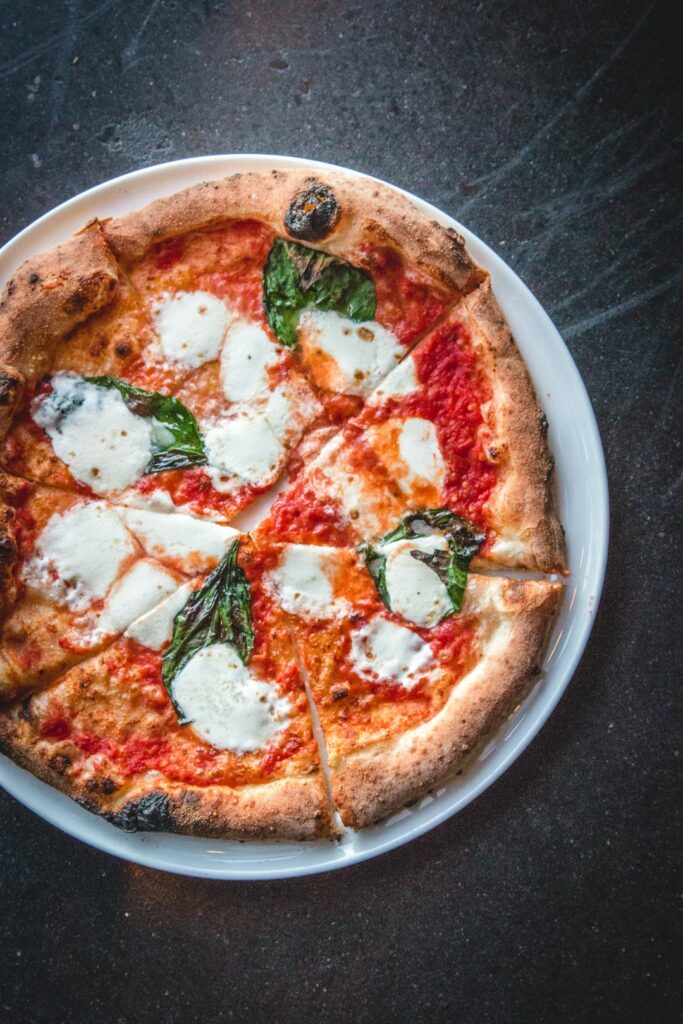
Coal-fired pizza is known for intense heat, a relatively quick bake, and a crust that may develop dark, toasted spots. The outer edge can be airy and chewy, while the underside becomes firm enough to support the toppings.
The coal-fired method is especially associated with:
- Thin-to-moderate crust thickness
- Strong browning along the rim
- A lightly smoky or roasted impression
- Simple toppings that can cook quickly
- A balance between crispness and chew
Dark marks do not automatically mean a pizza is burned. Small areas of deep browning can contribute bitterness and complexity, but an acrid smell, fully blackened crust, or dry interior may indicate overcooking. Personal preference matters, particularly for diners who prefer a pale, soft crust.
How is Southern-style pizza often adapted for local dining habits?
In Southern communities, pizza may reflect a wider preference for generous portions, familiar comfort-food flavors, and ingredients that work well for groups. The term “Southern-style pizza” is not a single formal category, but local adaptations may include thicker crusts, hearty toppings, or combinations influenced by barbecue, smoked meats, vegetables, and regional cooking traditions.
These adaptations are often less about strict historical rules and more about how pizza fits into casual dining. A shared meal may include several topping preferences, a substantial crust, and flavors designed to appeal to both adults and children.
For households in Pigeon Forge, seasonal traffic and group dining patterns can also shape expectations. A meal may need to work for families, larger gatherings, or visitors with different appetites. That helps explain why menus and local preferences can include several crust styles rather than one narrowly defined tradition.
What is the difference between deep-dish and pan pizza?
Deep-dish pizza is built in a deep pan, with a substantial crust that forms a raised edge around the filling. Depending on the variation, cheese may be placed beneath the sauce to help protect the dough from moisture during the longer bake.
Pan pizza is also baked in a pan, but it is often smaller, thicker, and more bread-like. Oil in the pan can create a crisp, fried edge while leaving the center soft and airy.
Neither style should be judged only by thickness. The pan, oil level, dough fermentation, baking time, and order of ingredients all influence the final texture. Deep-dish versions tend to feel more like a composed meal, while pan pizza can have a stronger contrast between crisp edges and a soft middle.

Why are square-cut and thin-crust styles so common?
Square-cut pizza is practical for sharing because it produces pieces of different sizes and makes it easier to serve a group. It may use a thin, medium, or thick crust, so the cutting pattern alone does not identify the style.
Thin-crust versions often appeal to diners who want a lighter base and a higher ratio of toppings to bread. Square-cut pieces can also be easier to handle during gatherings, especially when people are eating casually rather than sitting down for a formal meal.
The center pieces may be softer because they contain more sauce and toppings, while edge pieces offer more crust. That difference is part of the appeal for groups with varied preferences.
How does wood-fired pizza compare with coal-fired pizza?
Both methods use high heat, but the fuel and oven design create different cooking environments. Wood-fired ovens can produce roasted aromas and a flexible, blistered crust. Coal-fired ovens may reach very high temperatures and produce a firmer, darker bake with pronounced browning.
The final result depends on more than fuel. Dough formulation, oven floor material, airflow, cooking time, and the baker’s technique all matter. Two pizzas made with the same fuel can still have noticeably different textures.
For diners choosing between styles, the simplest distinction is this: wood-fired pizza often highlights airy edges and roasted flavor, while coal-fired pizza is commonly associated with stronger browning and a crisp-chewy base.
Which regional style is best for a household?
There is no universally best style. The right choice depends on appetite, toppings, dining pace, and texture preferences.
- Choose a thin, flexible crust for foldable slices and a lighter meal.
- Choose a coal-fired style for toasted edges and a crisp-chewy texture.
- Choose pan pizza for a thicker, softer crust with a crisp bottom.
- Choose deep-dish pizza for a filling meal with substantial layers.
- Choose square-cut pizza when sharing among people with different appetites.
- Choose a lightly topped pie when the crust and oven flavor are the main focus.
Climate and seasonal routines can also influence preferences. During colder periods, a thicker crust and heavier toppings may feel more satisfying. In warmer weather, a thinner crust with vegetables or lighter toppings may be easier to enjoy, particularly for outdoor or evening meals.
What should diners consider when comparing pizza styles?
The most useful questions concern texture and preparation rather than regional labels alone. Ask whether the crust is crisp or soft, whether the center is foldable or firm, and whether the toppings are intended to remain light or substantial.
It also helps to consider how the pizza will be shared. A large thin pie may offer more slices, while a thicker pan-style pizza may provide fewer but more filling portions. Families and groups may prefer ordering different styles so everyone can compare the crusts directly.
Regional pizza traditions are best understood as a collection of cooking approaches rather than rigid categories. The most noticeable differences usually come from the dough, oven, thickness, and balance of toppings. Learning those features gives local diners a clearer way to decide what kind of pizza fits a particular meal.