

 See My Latest Article on HelloNation
What Basic Tools Do Area Households Need to Make Pizza at Home?
Many residents in Pigeon Forge, TN are discovering the fun and satisfaction of making pizza at home. Essential kitchen tools help simplify the process and noticeably improve results. At minimum, a good pizza can be assembled with just a baking sheet and a regular oven, but a few specialized tools can help home cooks achieve better crust, flavor, and presentation.
Why Is a Pizza Stone, Steel, or Baking Surface Important?
A pizza stone or baking steel helps mimic the high, even heat of a commercial pizza oven. These tools absorb and radiate heat, cooking dough from below for a crisp, well-cooked base—something a basic metal pan can't easily replicate.
- Pizza stones are usually made of ceramic or cordierite, offering good heat retention and a traditional crisp texture.
- Baking steels heat faster, withstand higher temperatures, and are harder to damage if dropped.
- Either option helps compensate for standard electric ovens common in local area homes, which often can’t reach restaurant-level temperatures but can still deliver excellent results when preheated thoroughly.
Residents should let their stone or steel heat for at least 30–45 minutes before baking, especially during colder winters when kitchens can be drafty.
Is a Pizza Peel Necessary, or Are There Alternatives?
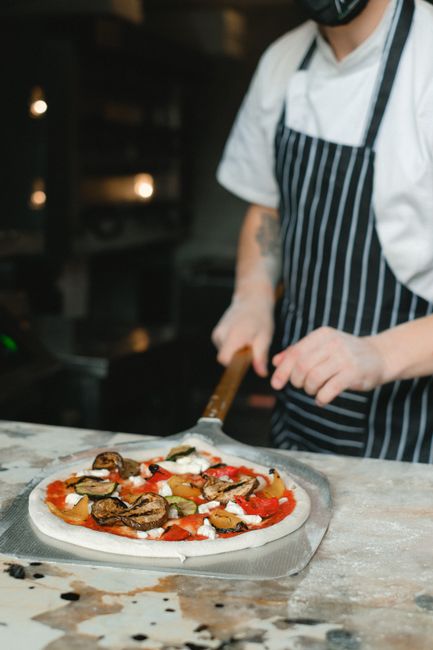
A pizza peel—a large, flat paddle—makes transferring pizza in and out of the oven much easier, especially with a very hot stone or steel. The tool helps prevent sticking and allows cooks to shape pies directly on a peel before sliding them onto a hot surface.
Options include:
- Wooden peels, which are gentle on dough and less likely to stick when dusted with flour or cornmeal.
- Metal peels, which can get under finished pies more easily for removal.
- In a pinch, an upside-down baking sheet can sometimes work for launching, but may not be as effective for removing hot pizza from a stone.
For those with smaller kitchens or limited storage space—common in local condos or cabins—a compact or folding peel is an alternative.
Mixing, Kneading, and Dough Preparation: What’s Needed for Home Pizza?
While pre-made dough is widely available, many local cooks enjoy mixing their own. A large mixing bowl, a sturdy spoon, or even a stand mixer with a dough hook makes the process less labor-intensive.
Key items:
- Large mixing bowl for hand-mixing or proofing dough.
- Spoon or dough whisk for combining ingredients.
- Stand mixer with dough hook (optional, but common in many households for frequent baking).
- Dough scraper/bench knife, useful for portioning and handling sticky dough.
A digital kitchen scale is a worthwhile addition for those measuring flour by weight—a method that offers greater consistency, especially in the sometimes-humid summers that can affect dough hydration.
What Should Be Used for Rolling or Stretching Dough?
Home-based pizza makers often ask whether a rolling pin is needed. In reality, while rolling pins can flatten dough, hand-stretching is often preferred for better texture and classic appearance.
Residents may use:
- Hands and lightly floured work surface for stretching—gentle handling preserves bubbles in the dough.
- A simple rolling pin if consistent thinness is desired, but this can sometimes lead to a denser crust.
- A silicone baking mat to keep dough from sticking and reduce cleanup.
Sauce, Toppings, and Cheese: Which Tools Simplify Prep?
For quick, mess-free topping, a few reliable utensils are helpful:
- Ladle or large spoon for spreading sauce evenly.
- Kitchen shears or a chef’s knife for slicing vegetables and meats.
- Cheese grater for shredding blocks of mozzarella or other favorite cheeses. Pre-shredded cheese is convenient but less traditional.
Residents often keep ingredients prepped in small bowls before assembling, which speeds up the process and keeps workspaces organized—especially useful during family gatherings or entertaining.
How Does an Oven Thermometer Improve Pizza Results?
Standard residential ovens in Pigeon Forge homes may run hot or cold. An oven thermometer gives a true reading of preheat temperature, ensuring the pizza stone or steel is hot enough for baking. This prevents undercooked or burnt crusts and helps maintain consistency with each pizza. It’s a small but essential tool for anyone serious about replicating restaurant-style results.
What Other Tools Enhance the Home Pizza Experience?
For serving and finishing, a couple of additional items can make pizza nights easier:
- Pizza cutter (wheel or rocking blade) for safe, clean slicing.
- Heat-resistant spatula or large server for lifting slices.
- Wire cooling rack for slightly airing out fresh-baked pizza, keeping the bottom crisp.
Some cooks enjoy using a pastry brush to finish the crust with olive oil or melted butter right after baking. This extra touch isn’t required, but it’s a detail appreciated by many in Southern home kitchens.
Are There Common Misconceptions About Home Pizza Tools?
Many believe home pizza requires expensive or commercial-level equipment. In reality, the basics—a hot oven, a decent baking surface, and attention to detail—matter most. Specialty items like pizza ovens are optional for households serious about frequent pizza-making, but most kitchens can yield excellent pies with the tools above. Sometimes, local humidity or changes in temperature can require small adjustments to dough recipes or baking times, so observation remains just as essential as any gadget.