

 See My Latest Article on HelloNation
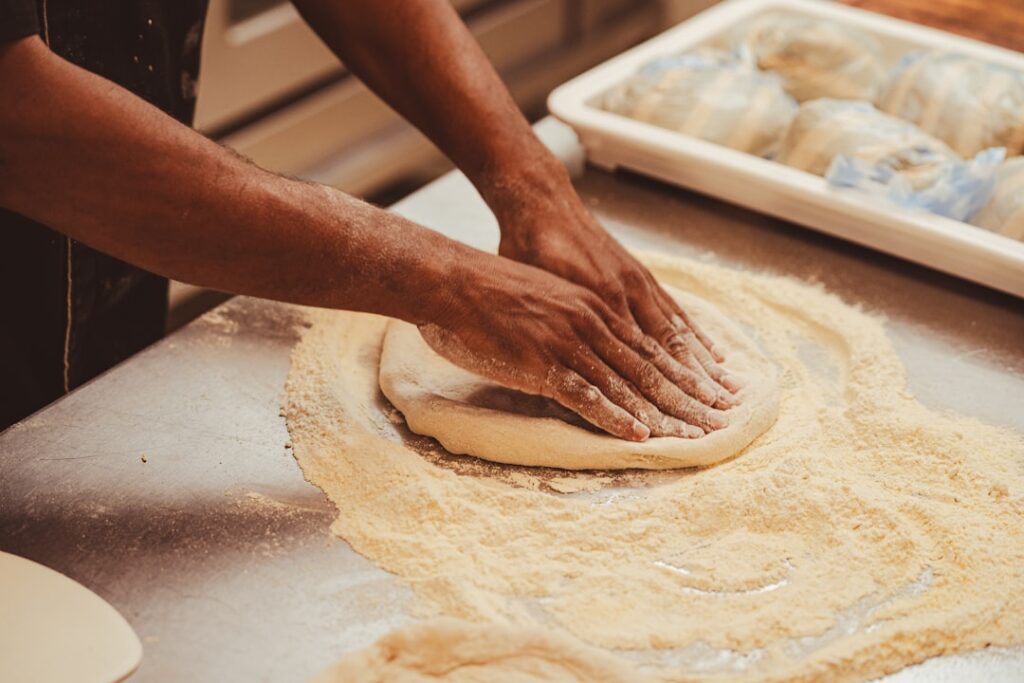
What Is the Key to Stretching Pizza Dough Successfully?
Stretching pizza dough properly is about developing gentle, even pressure and working with the dough’s natural elasticity. For residents of Pigeon Forge, TN making pizza at home, getting a well-stretched base is the difference between a crispy crust and a dense, uneven pie. The main secret lies in patience, a relaxed approach, and understanding how dough reacts to touch and temperature.
Most home bakers make stretching harder by rushing or overworking the dough. Gluten, the protein network in flour, needs time to relax—especially in the cooler seasonal indoor temperatures found in many local kitchens. Letting the dough rest helps it stretch smoothly without tearing.
Why Does Dough Temperature and Resting Matter in Pigeon Forge?
In homes around Pigeon Forge, indoor temperatures fluctuate between warm, humid summers and chilly winters, impacting how dough behaves. When stretched too cold, dough resists and springs back. On hot, humid days, it might stick or become too soft.
Always let refrigerated dough rest at room temperature for at least 30 minutes before stretching. This relaxes gluten and makes the dough supple. In colder winter months, some area households may need to extend this resting period up to an hour, especially if the kitchen is cool. If your dough feels tight or snaps back, cover it and allow a longer rest.
How Do You Prepare Pizza Dough for Stretching?
Begin with a lightly dusted surface to prevent sticking — think of kitchen counters or large cutting boards commonly found in local homes. Flour your hands and the dough, but avoid excess, as too much flour changes the texture.
- Remove chilled dough from the fridge and let it sit until it’s pliable when pressed.
- Form the dough gently into a ball if it isn't already shaped.
- Press down with your fingertips, working from the center outward, flattening it into a round disk about half an inch thick.
It’s common in area homes to inadvertently flatten the edges, but preserving a slightly thicker rim leads to the classic puffy, golden crust familiar in coal-fired pizza.
What Stretching Methods Work Best for Home Cooks?
Most local residents find two main hand-stretching techniques reliable:
1. Knuckle Stretch (Back-of-Hands Method):
- Drape the flattened disk over your closed knuckles, letting gravity do the work.
- Gently rotate and stretch the dough by moving your knuckles apart, shifting the disk as you go.
- Avoid pressing with fingertips, which can tear the dough.
2. Press-and-Stretch (Fingertip Method):
- Keep the round flat on a lightly floured surface.
- Use fingers to press and gently stretch the dough outward after shaping.
- Rotate frequently for even stretching.
- Stop before the center gets paper-thin or tears.
Both approaches depend on dough strength developed through proper mixing and proofing. If the dough rips, pinch it back together and give it another brief rest.
Should You Toss the Dough in the Air?
While airborne tossing is popular in pizza shows, it’s not essential—and in most Pigeon Forge homes, it’s rarely practical unless you’ve practiced. Air tossing distributes weight for a thin, even crust, but can easily lead to tears or dropped dough.

If you want to try, be sure to use well-floured hands and start over a clean surface. Keep movements small until you’re confident. Otherwise, traditional stretching on a countertop is just as effective for local kitchens.
Are There Common Mistakes to Avoid?
Several avoidable issues come up for those stretching pizza dough in the area:
- Stretching cold or under-rested dough causes snapping back and frustration.
- Adding too much flour during handling disrupts the chewy, crispy bite.
- Pressing the edges too flat eliminates the airy, puffy crust many prefer in coal-fired styles.
- Overstretching, especially in the center, leads to holes and uneven baking.
If dough keeps resisting, cover it and let it sit for 10-15 more minutes. A damp towel prevents surface drying—a useful trick during the dry winter air in the region.
How Does Local Humidity Affect Dough Stretching?
The climate in Pigeon Forge brings hot, sticky summers and sometimes dry winters, affecting dough hydration. High humidity makes dough stickier; use extra flour sparingly on hands and the work surface. In winter, dough may feel stiff or begin to dry; a light coating of oil can help keep it smooth and elastic.
Always observe your dough, not just the clock or recipe—if it feels dry, dampen your hands, and if it’s sticky, use minimal added flour.
What’s the Best Way to Transfer Stretched Dough to a Peel or Pan?
Once stretched, move the dough to a prepared pizza peel or baking sheet before adding toppings. For area households without specialized pizza peels, a flat baking sheet dusted with cornmeal or semolina works well.
Gently fold the stretched dough in half or quarters, transfer, then unfold onto the cooking surface. This minimizes the risk of tearing or misshaping the pizza during the move.
What If the Dough Tears or Gets Misshapen?
Rips are a common part of the learning process—especially for beginners. Pinch small holes closed and let the dough rest a few minutes before trying again. Uneven edges can be trimmed or reshaped with gentle handwork.
Remember, homemade pizza doesn’t have to be perfectly round. The charm often lies in its rustic appearance and the satisfaction of learning new kitchen skills, a value deeply appreciated in this local community.