
 See My Latest Article on HelloNation
Nestled within the scenic Smoky Mountains, the people of Pigeon Forge, TN, have long embraced the tradition of great food and warm hospitality. But among the pancake houses and barbecue joints, one culinary experience stands out for its smoky charm and unique character: coal-fired pizza. Locals and visitors alike are drawn to its rustic flavor, crackling crust, and the comforting aroma that seems to perfectly complement mountain living. But what truly lies behind the mesmerizing flavor of authentic coal-fired pizza? Let’s explore the secrets that bring this age-old pizza technique to life—and why it’s a perfect match for Pigeon Forge.
What Makes CoalFired Pizza So Special?
Coal-fired pizza has a signature that’s hard to replicate:
- Smoky, slightly-charred crust
- Savory toppings that caramelize perfectly
- An irresistible aroma rooted in tradition
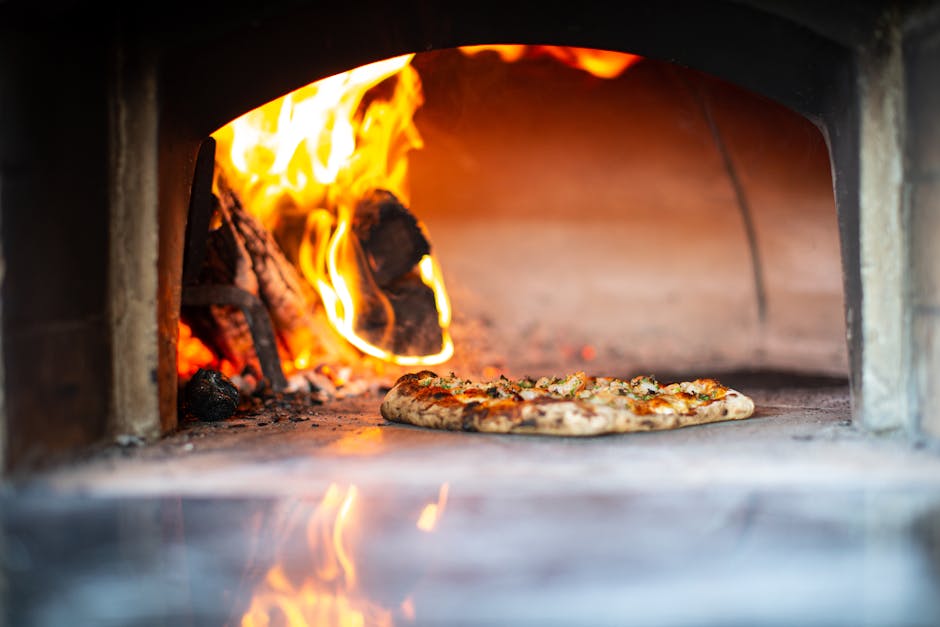
Unlike conventional ovens, coal-fired ovens reach incredible temperatures—often up to 900°F. This creates a crust that’s crisp on the outside, yet chewy and flavorful inside—a texture balance locals in Pigeon Forge crave after a day of exploring Dollywood or hiking the Smokies.
The Science Behind the Flavor
The secret lies in how coal-fired ovens handle heat and flavor:
- Consistent, Intense Heat: Anthracite coal burns hot and steady, cooking pizzas in just 2–4 minutes.
- Distinct Smokiness: As the coal burns, it imparts subtle smoky notes to the dough and toppings.
- Caramelization: The searing temperatures cause sugars in the dough and in toppings like onions and tomatoes to caramelize just right, enhancing natural flavors.
Pigeon Forge’s community, already familiar with slow-cooked flavors from Southern barbecue, quickly recognize the parallel: patience, heat, and smoke equal bold taste.
Dough: The Foundation of Flavor
You can’t talk about great pizza without talking about the dough. Authentic coal-fired pizza dough is all about simplicity and timing:
- High-protein flour (think traditional Italian “00” flour or strong bread flour)
- Filtered mountain spring water for that local touch
- Minimal yeast to encourage slow fermentation
- Hand-stretching, never rolling, to preserve texture
In Pigeon Forge, with its pure water and appreciation for time-honored techniques, dough preparation is seen not as a chore but as a craft—honoring both Italian traditions and Appalachian patience.
Sauce and Cheese: Quality Over Quantity
Authentic coal-fired pizzas keep toppings minimal to let the crust shine. A San Marzano tomato sauce, grown in volcanic soils, brings tang and sweetness. Here’s what makes the cheese so craveable:
- Fresh mozzarella, hand-torn, melts quickly in the coal-fired environment
- Simple finishing with local olive oil and fresh basil
Pigeon Forge offers a special twist—local dairies sometimes contribute to the cheese selection, bridging mountain agriculture and Italian culinary techniques.
Toppings with a Smoky Twist
While purists may love a classic margherita, many Pigeon Forge visitors crave something extra. The versatility of coal-fired ovens allows for creative, locally-inspired toppings:
- House-smoked meats like Tennessee bacon or pulled pork
- Locally grown sweet onions, mushrooms, and peppers
- Even a drizzle of mountain honey for a sweet, smoky finish
That sense of culinary adventure mirrors the spirit of those who visit and live in Pigeon Forge—trying new things while honoring simple roots.
Why CoalFired in Pigeon Forge Hits Differently
Pigeon Forge is a town that celebrates the art of blending tradition with innovation. The coal-fired method echoes the area’s history of harnessing natural resources, from coal mining in the region to the use of wood and stone in early settler cooking.
There’s a unique synergy here:
- The outdoor-focused lifestyle means people value food that’s filling, real, and flavorful.
- After a day of adventure, there’s nothing like gathering around a hearty pie with friends and family.
- The aesthetic and aroma of a coal-fired oven taps into Pigeon Forge’s love for storytelling, evoking images of campfires and mountain lore.
Health and Sustainability
Another secret often overlooked: the coal-fired process can be surprisingly sustainable. Top-quality anthracite coal, used in reputable pizzerias, is a clean-burning fuel compared to some woods. The short cooking time also means less energy usage and fresher, nutrient-rich toppings.
In the context of Pigeon Forge’s increasing focus on responsible tourism and appreciation for natural resources, enjoying authentic coal-fired pizza fits right in with living thoughtfully.
Tips for Savoring Your Next Slice
If you’re in Pigeon Forge and want to make the most of your coal-fired pizza experience, keep these tips in mind:
- Eat it fresh! The magic happens when the pie is piping hot and straight from the oven.
- Pair it with a local beverage—think craft beer, sweet tea, or a classic root beer.
- Try both classic and creative toppings to appreciate how the smoky flavor complements old and new alike.
The Lasting Legacy of CoalFired Pizza
Whether you’re a resident or a visitor drawn by the allure of the Smokies, coal-fired pizza brings people together. Its secrets lie not just in technique, but in respect for tradition, a willingness to experiment, and the comfort of honest food. In a place like Pigeon Forge, where the landscape is as memorable as the cuisine, coal-fired pizza is more than a meal—it’s part of the local heritage, shared one slice at a time.