

 See My Latest Article on HelloNation
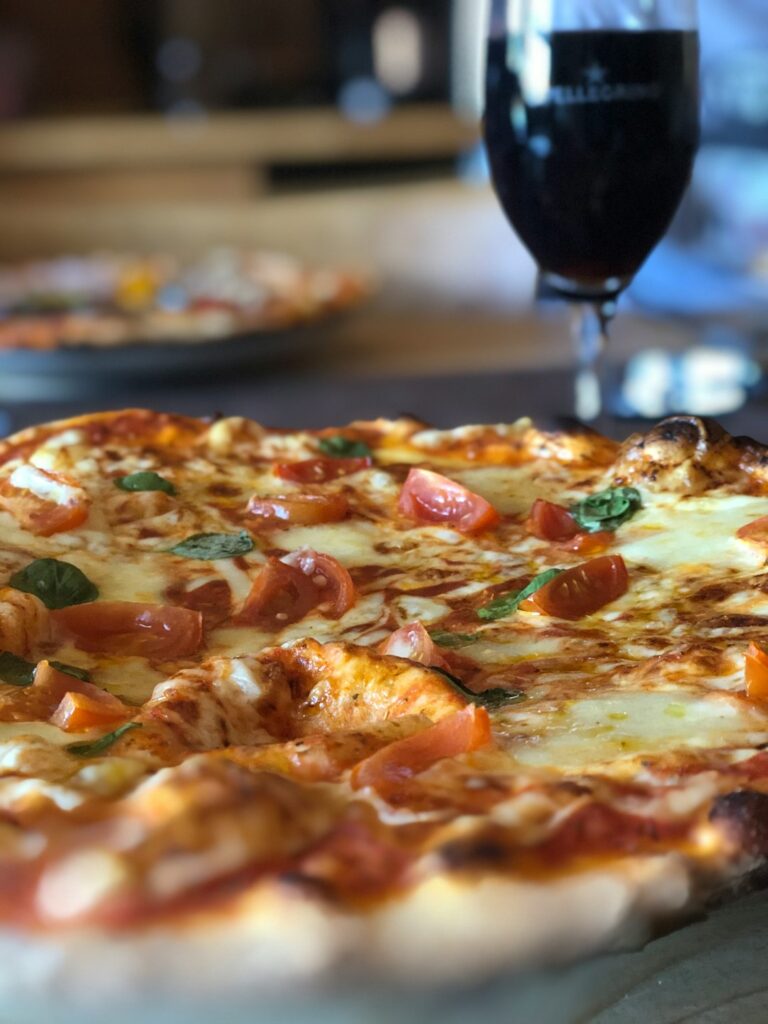
Why Pair Wine or Beer with Pizza?
Pairing wine or beer with pizza allows local residents to enhance both the flavors of the meal and the enjoyment of sharing food at home. The right pairing can highlight unique qualities in both the drink and the dish, creating a balanced experience. While pizza is versatile, certain drinks can accentuate its variety of toppings or the smoky taste from coal-fired ovens—common in the area’s casual dining scene.
What Factors Influence a Good Pizza Pairing?
Successfully pairing drinks with pizza involves matching weight, flavor intensity, and acidity. For wine, acidity usually helps cut through fat and cheese, while for beer, carbonation and bitterness can refresh and cleanse the palate between bites. Local households often have access to a range of beverages, but the principles apply whether choosing something from a nearby grocery or a local craft shop.
Common factors to consider:
- Sauce style (red, white, pesto, or barbecue)
- Cheese selections
- Toppings (meats, vegetables, specialty items)
- Crust (thin, thick, coal-fired crispiness)
Which Wine Styles Match Popular Pizza Types?
Red-sauce pizzas, a staple for many families, are well-matched with wines that have ample acidity and moderate tannins.
- Pepperoni or Sausage Pizza: Light to medium-bodied reds like Chianti, Sangiovese, or a Barbera balance spicy, oily toppings and tomato sauce. Their brightness stands up to robust seasoning without overpowering the palate.
- Margherita Pizza: White wines such as Pinot Grigio or Sauvignon Blanc work well, as do light reds like Gamay. These wines keep things lively without masking subtle notes from fresh mozzarella and basil.
- Veggie Pizza: Earthy reds such as Pinot Noir or dry rosés enhance mushroom, spinach, or artichoke toppings. Whites like Vermentino can lighten roasted flavors.
- BBQ Chicken or Meat Lovers: Zinfandel or Syrah, with their bolder fruit and pepper notes, handle sweet, smoky sauces and richer meats. Off-dry Rieslings may also complement barbecue tang.
- White Pizza: Creamy, garlicky pies pair best with fuller-bodied whites (oaked Chardonnay) or sparkling wines to lift heavy dairy and cut richness.
How Does Beer Pair with Pizza?
Beer’s carbonation, bitterness, and variety make it another popular choice for pizza nights, especially for casual gatherings after outdoor activities favored by community households.
- Classic Cheese or Pepperoni: A crisp lager or pilsner cuts through oil and salt, keeping tastes refreshed. Pale ales or amber ales can bring out roasted crust flavors from coal-fired ovens.
- Mushroom or Veggie Pizza: Wheat beers and Belgian-style ales have herbal and citrus notes that complement vegetables and lighten earthy toppings.
- Meat-Heavy Pizzas: IPAs and bock beers hold up to spice and richness from sausage, bacon, or pepperoni. Their bitterness prevents the meal from feeling too heavy.
- BBQ Chicken: Brown ales or smoked porters echo barbecue sauce while balancing sweetness and smoke without overwhelming the toppings.
- White or Pesto Pizza: Kölsches and saisons offer subtle herbal and herbal-grassy flavors that enhance lighter pizzas.

Does Season or Setting Change Pairing Choices?
Yes—seasonal changes and local dining habits influence pairing decisions. During hot summers, families often prefer lighter beers or chilled, crisp wines that are easy to enjoy outdoors—think wheat beers, Pilsners, Sauvignon Blanc, or rosé. In cooler weather, richer reds, porters, and stouts become more appealing for indoor gatherings, as they complement hearty flavors and cozy settings.
Pigeon Forge’s seasonal shifts also encourage pairing adjustments based on comfort and local routines. Outdoor patios or family gatherings in backyard spaces lend themselves to refreshing options, while colder evenings call for fuller-bodied choices.
Can Non-Alcoholic Drinks Follow the Same Principles?
Absolutely. For those who avoid alcohol, the same matching ideas work with sparkling water, herbal teas, or sophisticated alcohol-free beers and wines. A citrus-forward sparkling water can provide the acid and bubbles to balance rich cheese and sauce, while herbal teas with lemon or mint offer a bright counterpoint to heavier toppings.
Common Pairing Misconceptions Among Residents
- Strong, heavy reds like Cabernet Sauvignon or hoppy double IPAs aren’t ideal for most pizzas. Their power can overwhelm cheese and subtler toppings.
- Sweet wines with savory pies often clash, unless the pizza features barbecue or sweet elements (like pineapple or caramelized onions).
- All beer isn’t created equal for pizza—bitterness and flavor notes matter more than simply serving a "cold one."
Final Tips for Confident Pairings at Home
- Taste both food and drink together before serving to see how they interact.
- Use local stores’ broader selection to experiment with unfamiliar styles—many smaller bottles or cans are available for sampling.
- Pair drinks with individual pizza slices if the meal includes several varieties, allowing everyone to discover their own favorite match.
Residents who enjoy pizza nights—indoors or outdoors—will find that a bit of thoughtful pairing turns a simple meal into something more memorable and tailored to local lifestyles.