
 See My Latest Article on HelloNation
Pizza is properly cooked when the crust is browned and firm, the center is set rather than wet, and the toppings are fully heated without being dried out or burned. Appearance matters, but texture and temperature provide the most reliable clues.
For residents and visitors in Pigeon Forge, TN, pizza may be prepared in home ovens, outdoor ovens, or coal-fired ovens. Cooking conditions vary, so a pizza that looks finished on top may still have an undercooked center. Learning what to check makes it easier to judge doneness in any setting.
What should a properly cooked crust look like?
A properly cooked crust should have an even golden-brown to deep brown color, depending on the style and oven temperature. The bottom should be firm enough to support the slice without folding excessively under the weight of the toppings.
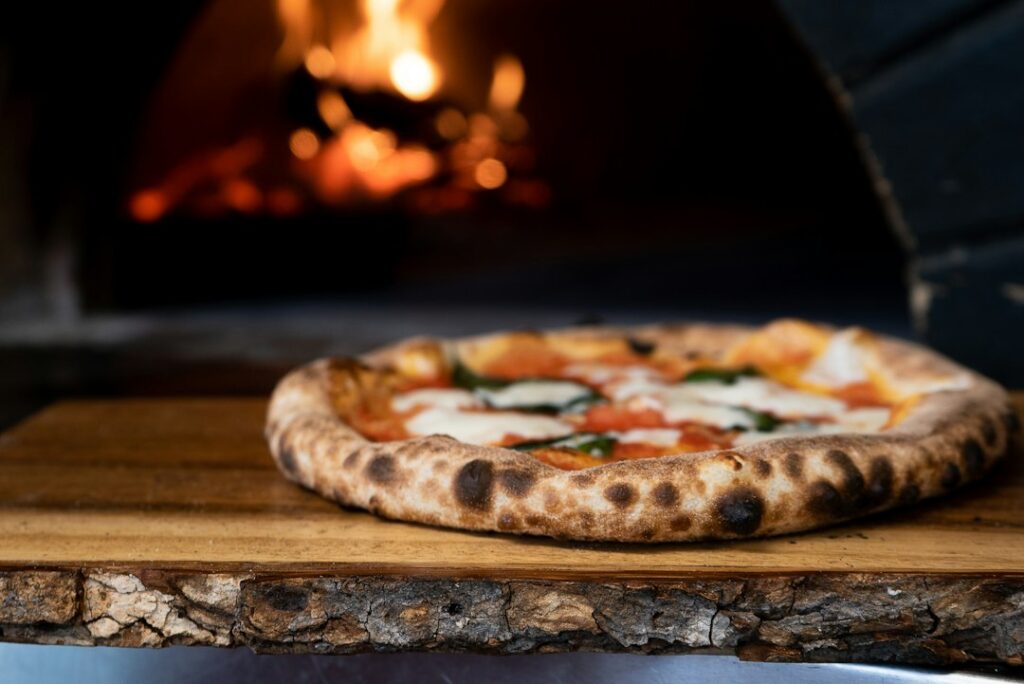
A few dark spots are not automatically a problem. High-heat pizza often develops small areas of blistering or charring, especially around the outer edge. These spots can add flavor, but large blackened areas, a burned smell, or a bitter taste suggest that the crust has gone too far.
Check several parts of the crust rather than judging only the rim:
- The outer edge should be browned and developed.
- The underside should not be pale, soft, or doughy.
- The center should hold together when lifted.
- The crust should feel firm on the bottom but may remain airy or slightly tender inside.
A pale underside often means the pizza needs more time, even if the cheese has already melted.
How can you tell if the middle is fully cooked?
The center is properly cooked when it is set and flexible, not wet or pasty. Lift a slice carefully and look at the area beneath the cheese and sauce. A cooked center should not stretch like raw dough or leave a sticky layer on the plate.
The middle may be softer than the outer crust, especially on a thin, high-hydration pizza. Softness alone does not mean the pizza is undercooked. The concern is a combination of softness, gumminess, and a raw flour taste.
A simple visual test is to examine the fold of the slice. If the center collapses completely and appears glossy or translucent, it may need additional cooking. If it bends while remaining structured, it is more likely finished.
For a homemade pizza, the underside is often the clearest indicator. Carefully lift the edge with a spatula. A golden or medium-brown bottom usually indicates better cooking than a white or gray bottom.
What does melted cheese tell you?
Melted cheese is a useful clue, but it does not prove that the crust is done. Cheese can melt quickly under strong heat while the dough beneath remains undercooked.
Properly cooked cheese should be fully softened and distributed across the pizza. Depending on the type of cheese, it may show small bubbles, lightly browned spots, or a smooth glossy surface. Excessive oil pooling can indicate that the cheese has been overheated, although some cheese naturally releases oil as it cooks.
Look for balance:
- Melted cheese with a firm, browned crust usually indicates good timing.
- Melted cheese over a pale, flexible bottom may mean the pizza needs more time.
- Dry, leathery cheese with a very dark crust suggests overcooking.
- Cool cheese near the center may indicate that the pizza was removed too soon or loaded with cold, wet toppings.
Toppings also affect how quickly the pizza cooks. Thick vegetables, raw meat, and large amounts of sauce can release moisture and slow the center from setting.
How does a coal-fired oven change the signs of doneness?
Coal-fired ovens often cook pizza with intense heat, so the outer crust may brown or blister before the center is fully ready. The pizza may also develop small charred areas faster than it would in a conventional home oven.
In this style of cooking, the pizza may need to be rotated so the crust cooks evenly. A properly finished pizza should show a balance of browned edges, a cooked underside, melted toppings, and a center that is no longer raw.
Small bubbles and dark spots around the rim are common. The more useful question is whether the darker areas are isolated and flavorful or spread across the pizza with a bitter, burned taste.
Because coal-fired cooking can vary across the oven, inspect the side closest to the heat source as well as the center and opposite edge. Uneven coloring does not always mean poor cooking, but a severely pale side next to a burned side may indicate that the pizza was not rotated or positioned effectively.
Can a food thermometer confirm that pizza is cooked?
A food thermometer can help, particularly when pizza contains meat or thick toppings, but temperature alone does not measure crust quality. The probe should be placed into the thickest topping or filling without touching the pan or stone.
For pizzas containing raw meat, the meat must reach a safe internal temperature appropriate to that type of meat. Poultry generally requires a higher minimum temperature than ground beef or pork. A reliable food-safety chart should be used because safe temperatures depend on the ingredient.

For a plain cheese pizza, visual and textural checks are usually more useful than probing the crust. A thermometer inserted into thin dough may give an inconsistent reading and can allow steam or cheese to escape.
If the toppings are safe but the crust is still gummy, the pizza needs more cooking for quality. If the crust is finished but meat remains undercooked, the pizza needs additional cooking for safety.
What are common signs that pizza is undercooked?
Undercooked pizza usually reveals itself through the crust rather than the toppings. Watch for:
- A pale or gray underside
- Dough that sticks to the baking surface
- A gummy, stretchy center
- A raw flour flavor
- A slice that collapses because the middle cannot support the toppings
- Wet dough beneath a heavy layer of sauce or vegetables
Moisture is a frequent cause. Fresh vegetables, thick sauce, and generous cheese can release water as they heat. In the humid conditions that can occur in the Southeast, dough and toppings may also behave differently than expected, particularly when ingredients are stored cold or the pizza is heavily loaded.
Allowing a pizza to rest for a minute or two after cooking can help the cheese settle, but resting will not fully cook raw dough. A pizza that is genuinely underbaked needs to return to the oven.
What are signs that pizza is overcooked?
Overcooked pizza has a crust that is hard throughout, a center that has lost its tenderness, or toppings that are dry and heavily browned. Blackened areas that taste bitter are another warning sign.
Some people prefer a crisp, deeply browned crust, so doneness is partly a matter of style. The distinction is whether the darker crust still tastes pleasantly toasted or has become acrid and brittle.
Pizza can also be overcooked underneath while appearing acceptable on top. This happens when the baking surface is extremely hot or the pizza remains in the oven after the toppings are finished. Checking both the top and bottom prevents that mistake.
How should pizza be checked before serving?
Before serving, check the pizza in three places: the rim, the center, and the underside. The rim should be browned, the center should be set, and the bottom should be firm enough to support a slice.
If the pizza has meat, verify that the meat is fully cooked. If the crust is pale but the toppings are already deeply browned, lower the heat slightly or shield the toppings while allowing the base to finish. If the bottom is dark but the center is soft, the heat may be too intense from below.
A short rest makes cutting easier and reduces the chance of losing hot cheese or toppings. It also gives the center a moment to firm up, making the final texture easier to judge.
The most dependable standard is a combination of color, structure, aroma, and taste: browned rather than pale, firm rather than gummy, fragrant rather than floury, and tender rather than burned.