

 See My Latest Article on HelloNation
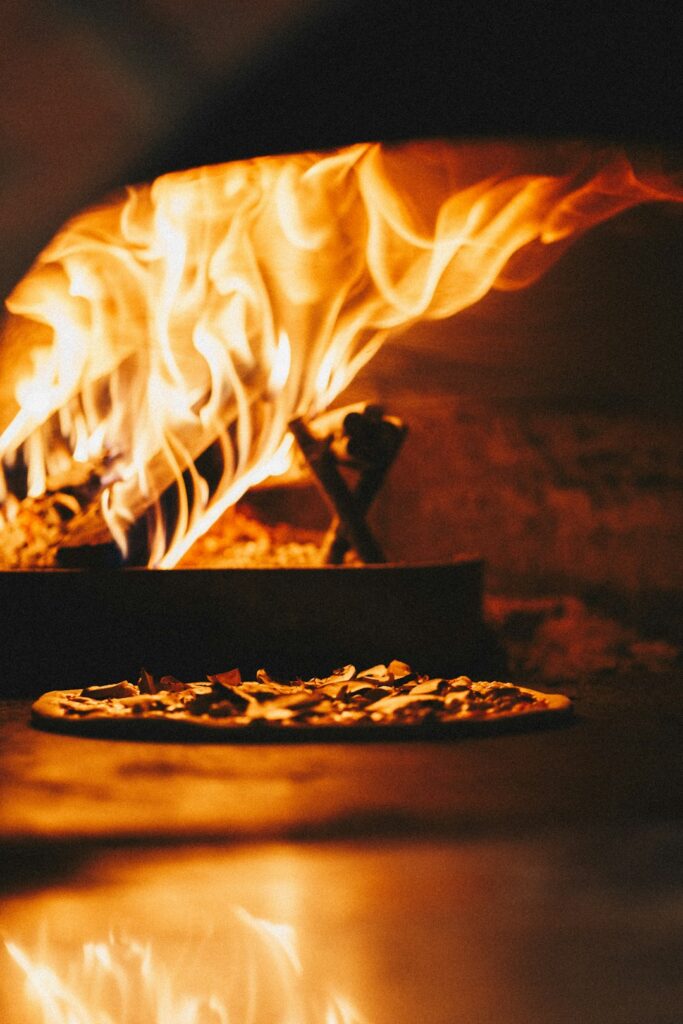
Why Does the Type of Flour Matter for Pizza Dough?
The specific flour chosen for pizza dough directly impacts the texture, flavor, and workability of the crust. This is especially noticeable in Pigeon Forge, TN, where humidity can fluctuate, and households may prepare pizza dough with commonly available ingredients. The right flour helps create everything from chewy, crisp coal-fired crusts to softer, homemade styles.
Higher-protein flours form more gluten, leading to a stretchier dough and a chewier bite. Lower-protein flours produce a softer, more tender crust. The distinction becomes clear when baking at different temperatures or using traditional coal-fired ovens, which are popular for their distinct charring and rapid bake times in the area.
Which Flour Types Do Most Home Cooks Consider for Pizza in Pigeon Forge?
Most local residents looking to make pizza will encounter these common options:
- All-purpose flour: This is widely stocked in Pigeon Forge grocery stores. It works for a variety of baking needs, including basic pizza dough. With a moderate protein level (typically around 10-12%), it produces a crust that's fairly tender, but not as elastic or bubbly as higher-protein flours.
- Bread flour: Very popular for coal-fired and classic pizza crusts, bread flour has a higher protein content (about 12-14%). Dough made with bread flour is stretchier and gives a crisp, chewy texture, which holds up well to intense coal-fired heat.
- Tipo "00" flour: This finely milled Italian flour is favored for Neapolitan-style pizzas and produces a delicate, ultra-smooth dough. It can be found in some specialty markets in the city but may be less common on everyday shopping trips. Its protein content is similar to bread flour but its fine texture gives a light, tender bite with just enough strength for blistery crusts.
- Whole wheat flour: Occasionally used for a heartier, nuttier flavor. Often blended with other flours, it needs extra hydration and kneading to offset its lower gluten formation.
Some misconceptions exist that all flours are interchangeable for pizza, but choosing the right style makes a noticeable difference in texture and handling.
How Does Local Climate Affect Pizza Dough?
In Pigeon Forge, higher humidity—especially during warmer months—affects dough absorption and stickiness. Flours can absorb more moisture from the air, making dough feel wetter and trickier to handle. Residents may need to use slightly less water in summer or on very humid days, adjusting recipes to suit kitchen conditions.
Local flour brands may also absorb moisture differently compared to those in other climates, so home bakers often keep extra flour on hand for dusting and small adjustments. Storing flour in airtight containers helps maintain its quality, especially through damp months.
Do Coal-Fired Ovens Require a Different Flour Choice?
Coal-fired pizza ovens operate at very high temperatures, resulting in fast bakes and a signature charred crust. Not all flours handle this heat equally well.
For Pigeon Forge households using a coal-fired oven or pizza stone (indoors or outdoors), bread flour or Tipo "00" flour is typically best. Their high protein content and gluten strength give structure, preventing the crust from burning or collapsing under intense temperatures. Softer flours, like cake or pastry flour, can lead to a weak, pale crust that doesn't crisp or brown well in coal-fired conditions.
What Mistakes Do Beginners Often Make When Choosing Pizza Flour?
Some common mistakes in the city include:
- Grabbing all-purpose flour for every pizza style, potentially leading to a crust that's too soft for coal-fired heat.
- Not adjusting hydration (water added) depending on the season or flour type—important in the humid conditions of the city.
- Overworking dough made from low-protein flour, which can result in a tough, dense crust.
- Assuming that whole wheat flour can be swapped directly for white flour without changes to water and kneading time.

Local cooks often learn through experience how flour behaves in their home kitchens, especially if they try several types in similar recipes.
How Can Local Shoppers Choose Between Store Brands and Specialty Flours?
Pigeon Forge grocery stores most commonly stock all-purpose and bread flour. For those interested in experimenting with different flours, some specialty grocers or online sources may offer Tipo "00" or organic whole wheat varieties.
For everyday pizza nights, starting with bread flour is an accessible, reliable option. Those seeking to recreate a true Neapolitan or artisan-style crust might consider tracking down Tipo "00" flour, especially for special occasions. Blending different flours is also an option for those wanting a more nuanced flavor or a crust with extra nutrition.
What Practical Tips Improve Results With Local Ingredients?
Tips specific to households in and around the city:
- Measure flour by weight, if possible, for consistent results—humidity and compaction can make cup measurements unreliable.
- Store flour away from moisture and heat, especially during Tennessee summers.
- Test dough texture and adjust as needed: drier in summer, slightly wetter in winter.
- If using only local store brands, try mixes of bread and all-purpose flour for improved stretch and crispness.
These steps help adapt any recipe for local kitchen conditions.
Can Gluten-Free Flour Work for Pizza in the Area?
Gluten-free options are increasingly available for residents with dietary needs. Rice flour, almond flour, and specialized blends are stocked at some city grocery stores. Gluten-free crusts require additional binders like xanthan gum or psyllium husk and behave differently from traditional wheat dough.
Because these flours lack gluten, expect a denser, softer crust that won't rise or crisp in quite the same way. However, with practice and experimentation, a satisfactory gluten-free pizza dough is possible in the home kitchen or coal-fired oven.