

 See My Latest Article on HelloNation
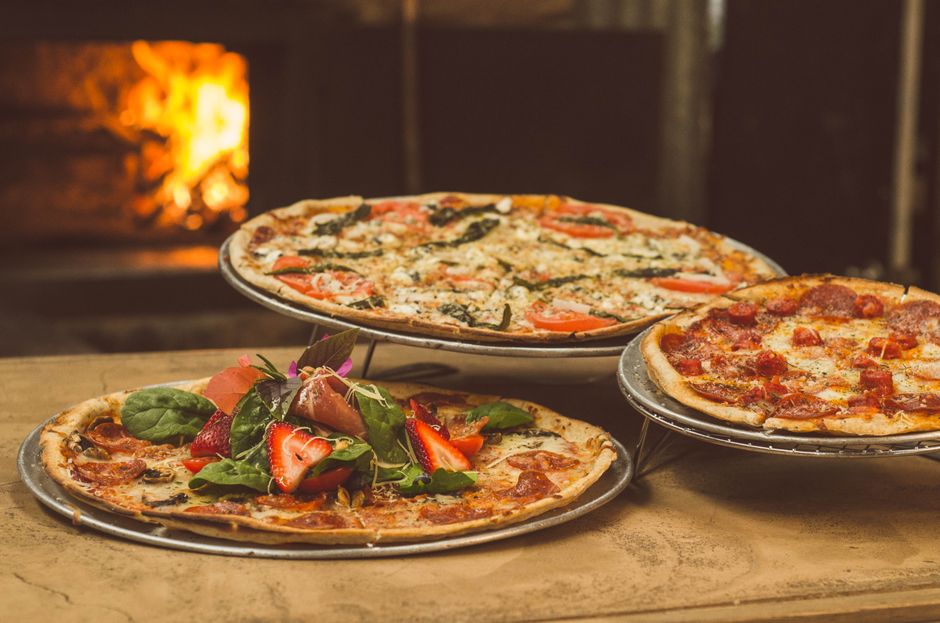
Pizza is easiest to ruin during reheating when the crust dries out, the cheese turns rubbery, or the toppings become overheated before the center is warm. The best method depends on the slice’s thickness, toppings, and the texture you want to restore.
For most leftover slices, a skillet or oven provides the best balance of a crisp bottom, warm toppings, and melted cheese. A microwave is fastest, but it needs a small amount of moisture and careful timing to avoid a tough crust.
What is the best overall method for reheating pizza?
A covered skillet is usually the most reliable choice for one or two slices. It reheats the crust from below while gentle steam warms the cheese and toppings.
Place the pizza in a dry, nonstick or well-seasoned skillet over low to medium-low heat. Let it warm for two to four minutes. Once the bottom begins to crisp, add a few drops of water to the empty side of the pan—not directly onto the pizza—and cover the skillet.
The steam should soften and melt the cheese without making the crust soggy. Continue heating for another one to two minutes, checking often. Remove the lid for the final 30 seconds if the top needs to dry slightly.
This method works especially well for thin or medium-thick slices, including pizza with vegetables, sausage, or other toppings that can dry out under intense heat.
How should pizza be reheated in the oven?
An oven is the better option for several slices or for pizza with a thicker crust. It provides more even heat than a microwave and is less likely to leave the center cold.
Preheat the oven to about 375°F. Place the slices on a baking sheet, preferably with a little space between them. For a crispier bottom, place the pizza directly on the oven rack or on a preheated baking sheet, but use caution because melted cheese and oil can drip.
Heat for approximately five to eight minutes, depending on thickness. A thick slice may need additional time, while a very thin slice may be ready sooner. The pizza is done when the cheese is melted, the center is hot, and the underside has regained some firmness.
For a softer crust, loosely cover the slices with foil during the first few minutes. For a crisper crust, leave them uncovered. Avoid wrapping the pizza tightly in foil for the entire reheating period because trapped moisture can make the crust limp.
In homes where the kitchen is already warm during humid summer weather, using a toaster oven or countertop oven can reduce the amount of heat added to the room. During colder months, a full-size oven may be convenient when reheating several portions at once.
Can pizza be reheated in a microwave without becoming chewy?
Yes, but the microwave should be used in short intervals and with a moisture-balancing technique. Microwaves heat water inside the food, which can make the cheese hot while the crust becomes rubbery or hard.
Place one slice on a microwave-safe plate. Set a small cup of water beside it, or place a few drops of water on the plate away from the crust. Heat for 20 to 30 seconds at a time, checking after each interval.
Most slices take 45 to 90 seconds, depending on the microwave and the amount of food. Stop as soon as the cheese is melted and the middle is warm. Continuing to heat after that point often produces a tougher crust.
The water does not “re-crisp” the crust. Instead, it adds a little moisture to the microwave environment, which can reduce excessive drying. For a crisp bottom, transfer the warmed slice to a hot skillet for 30 to 60 seconds.
What is the best method for thick-crust or coal-fired-style pizza?
Thicker slices benefit from moderate heat rather than a very hot blast. High temperatures can brown the outside while leaving the center cool, especially when the slice contains dense toppings or a substantial layer of cheese.
Use an oven set between 350°F and 375°F, or warm the slice in a covered skillet over low heat. If the crust is already firm and dry, lightly dampen a paper towel and place it over the slice during the first portion of microwave reheating, making sure it does not touch exposed heating elements.
For a skillet, cutting a large slice in half can help the center warm more evenly. It also reduces the chance that the crust will burn before the toppings are ready.
How do different toppings affect reheating?
Toppings change both heating time and food texture.
- Vegetables: Mushrooms, peppers, onions, and leafy greens can release water as they warm. Reheat uncovered or briefly remove the lid to prevent a soggy surface.
- Meat toppings: Sausage, bacon, and other dense toppings may stay cool in the center. Use moderate heat and allow extra time rather than raising the temperature sharply.
- Extra cheese: Cheese-heavy slices may need lower heat so the crust does not overbrown before the cheese softens.
- Fresh herbs or delicate greens: Add them after reheating when possible. Heat can darken or wilt them.
- Thin crust: Use shorter cooking times and check frequently. Thin crust loses moisture quickly.
- Thick crust: Use lower heat for a longer period so the middle warms without scorching the bottom.
If a slice has a large amount of oil pooling on top, blotting it gently with a paper towel before reheating can help prevent a greasy surface.
Should pizza be reheated more than once?
Repeated reheating usually reduces quality and can increase food-safety concerns if the pizza is repeatedly warmed and cooled. Heat only the amount likely to be eaten.
Keep leftover pizza refrigerated in a covered container or wrapped securely. Perishable leftovers should not remain at room temperature for extended periods, particularly in warm or humid conditions. In a busy household, it is easy to leave a box on the counter after a meal, but refrigerating it promptly helps preserve both safety and texture.
Reheat each portion until it is hot throughout. If the center remains cool, continue in short intervals rather than using a very high temperature.
What common reheating mistakes should be avoided?
Several habits make leftover pizza noticeably worse:
- Heating at full microwave power for several minutes without checking.
- Placing cold pizza directly into a very hot skillet.
- Covering a slice tightly with foil, which traps steam and softens the crust.
- Reheating a large stack of slices together, creating uneven temperatures.
- Adding oil to the skillet when the pizza already contains plenty of cheese and toppings.
- Leaving the pizza unattended under a broiler, where the cheese can burn quickly.
- Reheating slices that have been stored improperly or left out for too long.
The goal is not simply to make the pizza hot. Good reheating restores the contrast between a firm or crisp crust, tender toppings, and melted cheese. For most households in Pigeon Forge, a covered skillet is the quickest high-quality option for one or two slices, while a moderate oven is more practical for a larger amount.