

 See My Latest Article on HelloNation
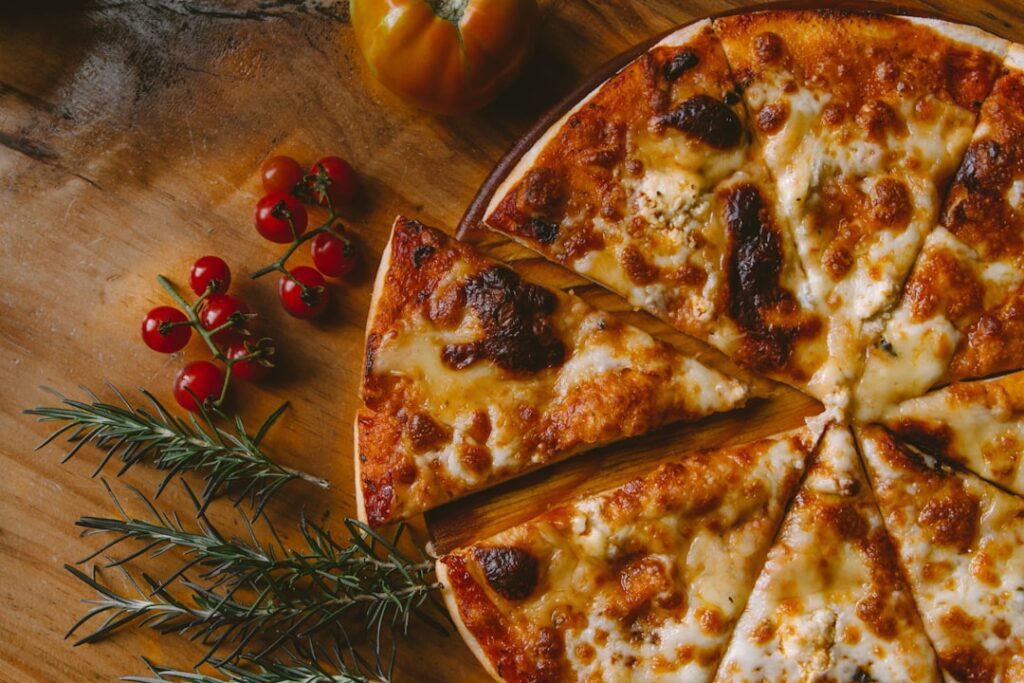
What Are the Most Common Types of Pizza Cheese?
Mozzarella is the most widely used cheese for pizza, known for its mild flavor and reliable melt. While mozzarella dominates most pizza menus, other cheeses like provolone, cheddar, and parmesan often appear either blended in or used as a topping for additional taste and texture.
Locally, residents in Pigeon Forge often prefer pizzas that balance the classic stretchiness of mozzarella with edgier blends for heartier, wood-fired styles. Here are the most common cheese choices found in the area’s homemade or casual dining pizzas:
- Whole-milk mozzarella: Creamy, stretchy, and lightly tangy, it handles high-heat ovens well.
- Part-skim mozzarella: Offers a firmer texture and slightly lowered fat content, commonly found pre-shredded.
- Provolone: Mild and slightly smoky, melts smoothly, and blends easily for flavor depth.
- Cheddar: Adds sharpness, color, and a touch of oil, but doesn't stretch as much; great in blends.
- Parmesan: Salty, hard cheese grated over the top for added flavor after baking.
Classic pizza nights in area households usually start with mozzarella and experiment with others for family favorites.
How Does Cheese Affect Pizza’s Melt and Texture?
Pizza cheese needs to soften, stretch, and bubble attractively without breaking down into oil or browning too fast. The melting quality depends on fat and moisture content in the cheese.
- Higher-moisture cheeses (like whole-milk mozzarella) yield more stretch and creamy melt.
- Lower-moisture cheeses (such as aged mozzarella or provolone) brown faster and may be firmer or chewier.
- Cheeses with significant fat, like extra-sharp cheddar, will caramelize and pool oil if used alone or in large amounts.
Wood-fired and coal-fired ovens, popular in Pigeon Forge, reach high temperatures that rapidly melt cheese. Residents often notice that whole-milk mozzarella bubbles and stretches better under these conditions, whereas blends with too much oily cheese can result in overly greasy pies.
What Do Different Pizza Cheeses Taste Like?
The primary flavor of classic pizza cheese is mild, milky, and barely tangy—ideal for letting tomato sauce and smoky crust stand out. Mixing in other cheeses changes the flavor and texture profile:
- Mozzarella: Clean, milky, and slightly elastic. Fresh mozzarella brings more creaminess and tang, while aged mozzarella is a bit denser and saltier.
- Provolone: Mild with a slightly sharp edge and a mellow smoked aftertaste.
- Cheddar: Ranges from sharp to mild, with nutty or earthy undertones; more assertive in flavor.
- Parmesan: Salty, grainy, and distinctly savory but not designed to melt into the pie.
Many households in the city are experimenting with blends that re-create the signature pies from local casual dining spots. These usually combine mozzarella and provolone for depth, sometimes with a touch of cheddar or parmesan for vibrant taste.
Are Some Cheeses Better for Coal-Fired Pizza?
Coal-fired pizza exposes cheese to intense heat. Cheeses with a balance of fat and moisture resist burning and release the signature bubbling that defines a good pie. Whole-milk mozzarella is the mainstay, while a touch of provolone or fontina can add depth without turning greasy.
Using low-moisture mozzarella offers a firmer melt, but it should be paired with higher-moisture cheese if you want the signature stretch and creaminess.
Tips for area cooks:

- Use thicker slices or hand-torn cheese to prevent premature browning.
- Avoid piling cheese too high, as it can insulate the center of the pizza and result in soggy crusts.
Can You Make Good Pizza Cheese at Home?
Most local grocery stores stock suitable mozzarella and simple blends. For homemade pizza in Pigeon Forge, shredding block mozzarella (rather than using pre-shredded) produces a smoother melt. Pre-shredded cheese usually contains starch to prevent clumping, which can affect browning and texture in high-heat ovens.
Some residents try making fresh mozzarella at home, especially for special gatherings. While it takes practice and fresh milk, the resulting cheese is extremely soft and tangy—a different melt than the commercial versions.
If you want more distinctive flavor, adding a sprinkle of hand-grated parmesan after baking boosts savoriness without affecting melt.
What Are Common Pizza Cheese Myths or Mistakes?
Many people assume more cheese equals better pizza, but thicker layers of cheese often lead to uneven baking and underdone crust, especially in hotter ovens. Another misconception is that all pizza cheese should stretch dramatically; in reality, a good melt is about balance and even coverage rather than stretch alone.
For families trying new recipes in the community, remember:
- Cheese blend ratios matter: heavily aged or oily cheeses can overpower delicate crust styles.
- Fresh mozzarella releases more moisture, which can make the center soggy if used in thick rounds.
How Can Weather and Local Conditions Affect Homemade Pizza Cheese Outcomes?
Humidity and kitchen temperature, which fluctuate with East Tennessee’s seasons, can change how cheese behaves on home-baked pizza. In summer, cheese may soften and brown faster; in colder months, it may need a longer bake to fully melt.
Local residents sometimes notice that cheese sticks together or browns unevenly during periods of high humidity. Storing cheese cold and handling it as close to baking time as possible helps maintain an even melt.