

 See My Latest Article on HelloNation
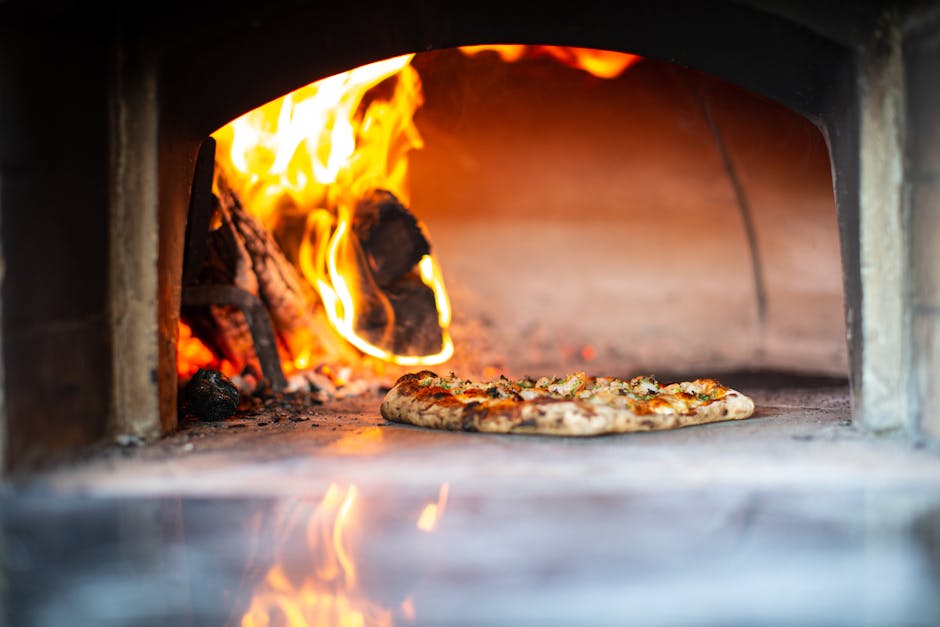
If you’ve ever bitten into a perfectly crispy, airy slice of pizza and wondered how it achieves that balance of chew and flavor, you’re tasting the results of a centuries-old process: dough fermentation. Here in Pigeon Forge, TN, where coal-fired ovens, mountain air, and Southern hospitality come together, understanding the science behind pizza dough fermentation can help you fully appreciate every slice from your favorite local pizzeria—whether you're a resident or a visiting foodie.
What Is Pizza Dough Fermentation?
Fermentation is the natural process where yeast and bacteria break down the carbohydrates in the pizza dough, producing gas and developing flavor. This process directly impacts the dough’s texture, taste, and digestibility. In the context of Pigeon Forge’s casual dining scene, coal-fired pizzas—like those popular in our local eateries—depend on a well-fermented dough to deliver that distinctive lightness and char.
The Microbiology Behind the Magic
Pizza dough fermentation primarily involves two microorganisms: baker’s yeast (Saccharomyces cerevisiae) and, in some doughs, lactic acid bacteria. Here’s what happens step by step:
- Yeast Activity: As the dough rests, yeast consumes sugars in the flour, producing carbon dioxide (for bubbles and rise) and ethanol (alcohol).
- Acid Production: In slow-fermented or naturally leavened doughs, bacteria generate organic acids, which create subtle tanginess.
- Flavor Development: Enzymatic reactions during fermentation unlock complex flavors within the flour, giving that nuanced taste you love.
Why Pigeon Forge’s Climate Matters
Every region has its own environmental influences, and Pigeon Forge is no different. The temperature and humidity here in the Great Smoky Mountains shape fermentation rates. Warmer kitchens—especially during Southern summers—can make yeast work faster, while cool storage slows things down, giving dough extra time for flavor development.
In Pigeon Forge, many restaurants and pizza makers take advantage of cool, overnight ferments, letting their dough rise slowly in refrigerated conditions. This patient process suits our laid-back mountain lifestyle, emphasizing quality over speed.
Slow Fermentation vs. Quick Fermentation
Would you rather have your dough ready in an hour or take the slow route overnight? Here’s why most experts—and local pizza aficionados—prefer to take their time.
- Quick Fermentation: Fast dough proofs rely on a lot of yeast and warm conditions. The result may be fluffy but often lacks depth of flavor, leaving pizzas tasting flat and, at times, heavy.
- Slow Fermentation: Refrigerating dough for 12–72 hours allows enzymes and wild bacteria to work, creating a more complex, slightly tangy taste. Texturally, you’ll enjoy a crispier crust and a more open, bubbly crumb—which is especially delicious after coal-firing.
At many pizza spots across Pigeon Forge, you’ll find that signature coal-fired chew and airy interior—a mark of skillful dough fermentation.
How to Spot Well-Fermented Dough
Next time you sit down for pizza after a day at Dollywood, look for these signs of proper fermentation:
- Bubbles & Blisters: A good rise creates air pockets, giving coal-fired crusts their open, lacy structure and blistered edges.
- Aromatic Complexity: You should notice a mild, almost nutty or slightly tangy aroma.
- Digestibility: Long-fermented dough is easier to digest, making it a favorite for diners with sensitive stomachs.
Dough Fermentation Tips for Home Pizza-Makers in Pigeon Forge
Want to try your hand at dough fermentation at home? Here’s how to get that coal-fired pizzeria magic in your own kitchen:
- Use Less Yeast: Start with less yeast (about 0.1–0.2% of your flour weight) if you’re fermenting over 24–48 hours.
- Cold Ferment: After kneading, refrigerate your dough for at least 12 hours. The cool, steady climate mimics the methods favored by Pigeon Forge’s best pizza places.
- Patience Pays Off: Aim for slow proofing—rushing will yield bland, dense results.
- Hydration Matters: Typical coal-fired pizza dough uses about 60–65% water by weight for an airy, crispy base.
The Role of Coal-Fired Ovens
Fermentation isn’t the only factor, but it’s foundational to making the most of coal-fired ovens, which can reach blistering high temperatures (800°F+). A well-fermented dough stands up to this heat, producing that desirable thin, burnished crust—a signature feature in many Pigeon Forge pizzerias.
The Local Lifestyle and Pizza Tradition
Pigeon Forge’s love of laid-back gatherings, Southern flavors, and family dinners create the perfect environment for sharing hot pies made from expertly fermented dough. Whether friends kick back around a firepit, families celebrate after a day of hiking, or couples seek a quick bite before a show, the artistry of well-fermented pizza dough is at the heart of the local dining scene.
Frequently Asked Questions About Pizza Dough Fermentation
How long should I ferment my dough?
For best flavor and texture, aim for at least 24 hours in the refrigerator. Some pizzerias in Pigeon Forge ferment for up to three days.
Why does my homemade pizza taste bland?
Short fermentation times don’t allow flavor compounds to develop. Try a slow, cold fermentation to bring out the best in your dough.
Is coal-fired pizza healthier or easier to digest?
Long fermentation can increase digestibility by breaking down gluten and starches. That’s one reason so many people prefer the lighter feel of a coal-fired slice after a day exploring the Smokies.
—
Unlocking the science of pizza dough fermentation isn’t just about baking; it’s about embracing the craftsmanship and patience that enrich every dining experience in Pigeon Forge. Next time you enjoy a slice, remember—the magic is in the (fermentation) details!