

 See My Latest Article on HelloNation
If you’re walking down the Parkway in Pigeon Forge, TN, chances are you’ll get a whiff of that irresistible pizza aroma drifting from the doors of numerous restaurants. In a town that’s famous for its Southern hospitality, family-friendly attractions, and breathtaking Great Smoky Mountains backdrop, it’s no wonder pizza nights are a local tradition. Among the many styles available, two types stand out for their old-world charm and mouthwatering results: coal-fired pizza and wood-fired pizza. But what really sets these two apart? If you’re curious about the difference between coal-fired pizza and wood-fired pizza, and which you might enjoy more during your next visit to Pigeon Forge, read on!
A Tale of Two Ovens: The Basics
Both coal-fired and wood-fired pizza ovens evoke a sense of nostalgia, reminiscent of classic pizzerias and traditional Italian kitchens. Still, the differences between them are significant and can transform your dining experience. Here’s how they compare:
- Coal-Fired Pizza Ovens
These ovens burn anthracite coal to reach exceptionally high temperatures—up to 1,000°F (537°C). This method originated in the Northeastern United States, especially in cities like New York and New Haven, where coal was historically abundant.
- Wood-Fired Pizza Ovens
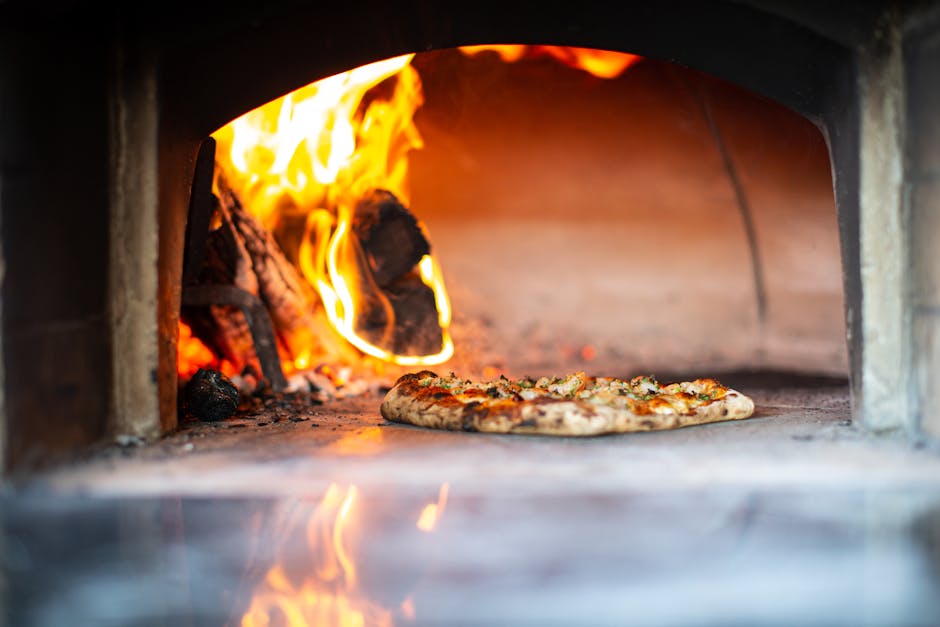
As the name suggests, these ovens use hardwood (like oak, maple, or hickory) as fuel. While wood-fired ovens can also get incredibly hot (typically between 700°F and 900°F), the flames and embers impart distinct smoky flavors to the pizza.
Flavor: What’s on the Crust?
When it comes down to taste, the difference between coal-fired and wood-fired pizzas is all about those subtle—but noticeable—undertones.
- Coal-Fired Flavor Profile
Pizzas from a coal-fired oven typically feature a deeply charred, crisp crust that’s thin and chewy. The intense heat creates spotted blisters known as “leoparding.” The crust tends to have a bold, almost mineral-like smokiness that’s less sweet than wood-fired pizza.
- Wood-Fired Flavor Profile
The wood imparts a gentle, aromatic smokiness, often with slightly sweet or nutty undertones, depending on the type of wood used. Wood-fired pizzas usually have a soft, airy edge—“cornicione”—and a thin, delicately crisp base.
Cooking Technique: Speed and Style
Speed is another factor where these ovens differentiate themselves, and it plays into the busy, social lifestyle of Pigeon Forge locals and tourists alike.
- Coal-Fired Cooking
Because they run so hot, coal-fired ovens can cook a pizza in as little as 3–5 minutes. The direct heat from coal produces a pizza that’s crisp and cooked evenly—a style beloved by those who like a speedy, satisfying meal before catching a local show or heading to Dollywood.
- Wood-Fired Cooking
While still fast, wood-fired ovens tend to take a minute or two longer. The pizzas roast quickly at high heat, but the multitiered flames and radiant heat add complexity, influencing both the bake and the flavor. This ritual feels right at home when lingering over a meal with friends near the scenic Little Pigeon River.
Regional Ingredients: Pigeon Forge Twists
What makes the coal-fired vs. wood-fired debate especially fun in Pigeon Forge is how chefs embrace local ingredients to create truly memorable pies.
- Many casual dining spots will top coal-fired or wood-fired pizzas with fresh Tennessee produce, smoked meats from nearby barbecue joints, and seasonal ingredients.
- Some wood-fired spots may use locally sourced hickory or applewood, adding that unique Smoky Mountain twist.
- Coal-fired crusts often hold up beautifully to rich, bold flavors—think moonshine-infused sauces or spicy sausage made with mountain herbs.
Ambiance and Dining Experience
When choosing between coal-fired and wood-fired pizza, it’s not just about pie—it’s about the setting too.
- Local coal-fired pizza restaurants often pride themselves on an urban, bustling feel, echoing the Northeast’s legendary pizza shops. This makes them perfect for big family gatherings or group outings in Pigeon Forge’s lively vacation district.
- Wood-fired pizzerias, on the other hand, may offer a cozy, rustic ambiance. Imagine dining near a roaring wood oven, the scent of hardwood mingling with bubbling cheese—a lovely way to unwind after a scenic drive through the Smokies.
Which Is Healthier?
Pizza, no matter how it’s fired, is comfort food—but those interested in nutritional tweaks may want to consider:
- Coal-fired pizzas bake quickly, resulting in a crispier crust with less moisture and oil soak. Typically, this style is thinner and lighter, which may feel less filling for some.
- Wood-fired pizzas can retain more moisture due to slightly lower oven temperatures and the softening influence of steam from burning wood. This makes for a chewier base, which can feel richer and more decadent.
Ultimately, the nutritional difference is slight; it has more to do with toppings and portion size than the cooking method.
Frequently Asked Questions
Are coal-fired pizzas safe to eat?
Yes—coal-fired pizzas are safe to eat when prepared in a properly maintained commercial oven. Modern coal-fired ovens are vented to minimize emissions and ensure food safety. Most health concerns associated with charred foods come from excessive burning, which skilled pizza makers avoid.
Which has more smoky flavor: coal-fired or wood-fired pizza?
Wood-fired pizzas tend to have a more aromatic, recognizable smoky flavor, often with sweet or savory undertones from the specific wood used. Coal-fired pizzas deliver a potent, mineral-like smokiness that’s more robust and intense.
Can I find both styles in Pigeon Forge?
While Pigeon Forge is home to a growing array of artisan pizza shops, wood-fired ovens remain more common due to tradition and availability of local hardwoods. Still, a handful of restaurants have brought in authentic coal-fired ovens for a taste reminiscent of classic Northeast pizza.
The Final Slice
Whether you’re a vacationer looking for the authentic pizza experience after a day at The Island or a local resident hunting for a new favorite spot, knowing the difference between coal-fired pizza and wood-fired pizza can help you savor every bite. Both capture the essence of good food and good company—a staple of Pigeon Forge’s laid-back, flavorful lifestyle.
Next time you’re in town, why not try both styles? After all, pizza night in the Smokies is about more than just the meal—it’s about the memories made around the table.